Editors Note: The Annual Camp Ellis Day event will be held Saturday, September 12 in Ipava. Each year, leading up to the event, the Community News Brief collaborates with local historian Julie Tierstrip, who shares stories from the historic WWII Camp located east of Adair, Table Grove, and Ipava. Fact: Camp Ellis was a WWII training camp and a prisoner-of-war camp on 18,000 acres. It was first constructed in September 1942 and officially opened on January 31, 1943. At its peak, it contained roughly 2,200 buildings, housing up to 44,000 troops, civilian workers, and thousands of other personnel.
While Camp Ellis was in operation, 125,000 service men were trained. and the camp held 5,000 German prisoners of war. The camp officially closed in 1945. Part of Camp Ellis was later refurbished to serve the Illinois National Guard (1946-1950) and then later for Air Force training in 1953. Beginning in the 1950s, the government started to sell the land, which was used for farming or strip-mining.
Camp Ellis tremendously impacted the area’s economy, as 100s of people from Fulton, McDonough and surrounding counties were employed at the camp and soldiers frequently visited local communities.
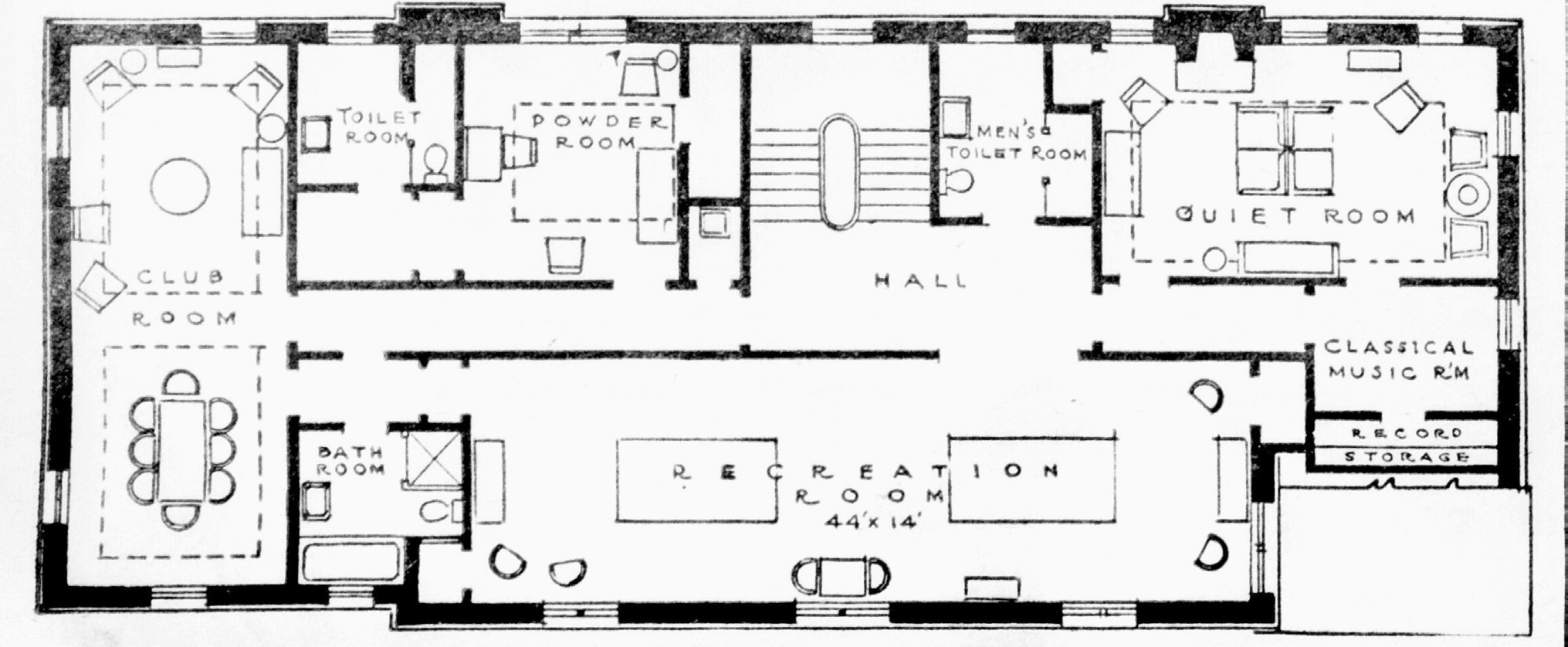
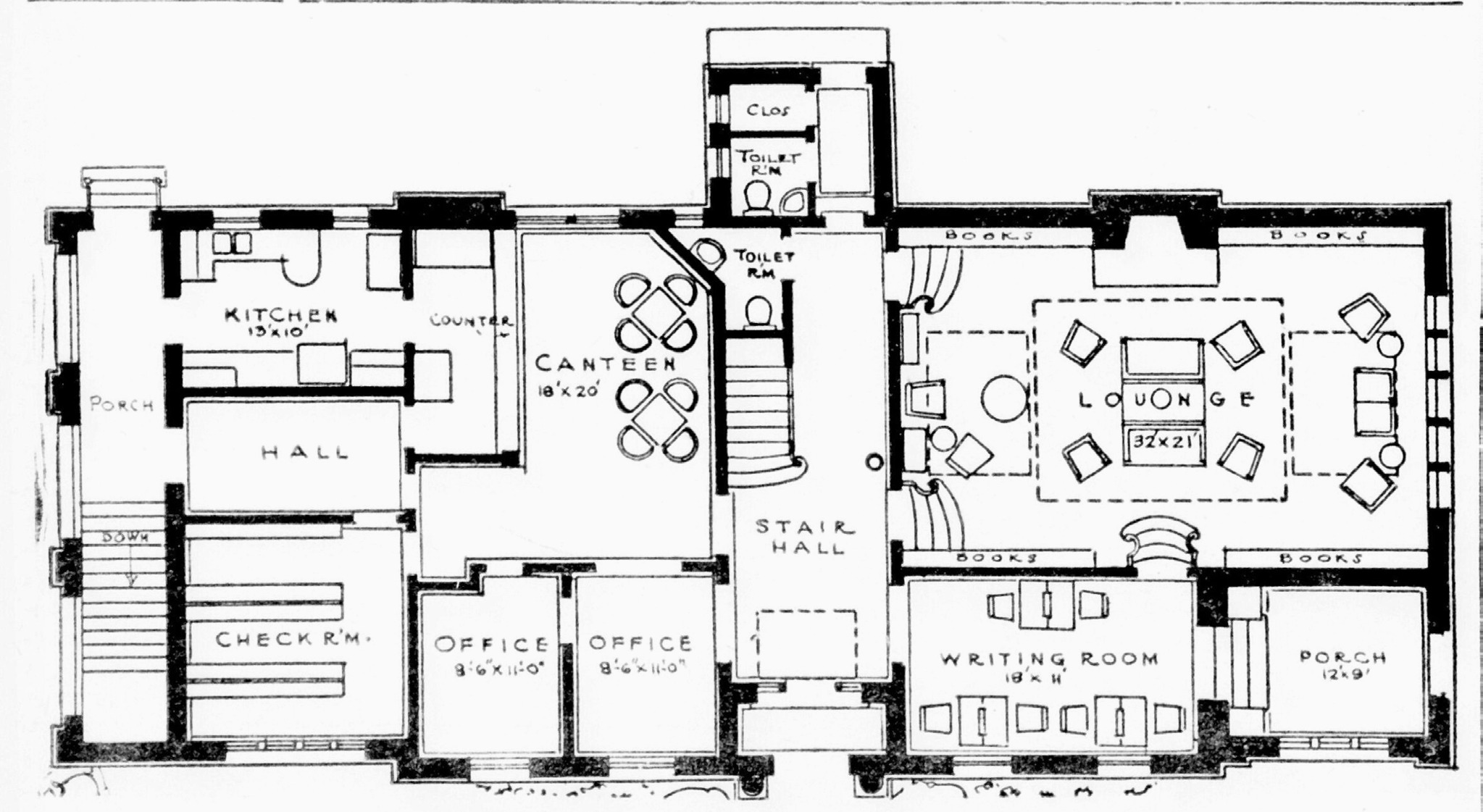
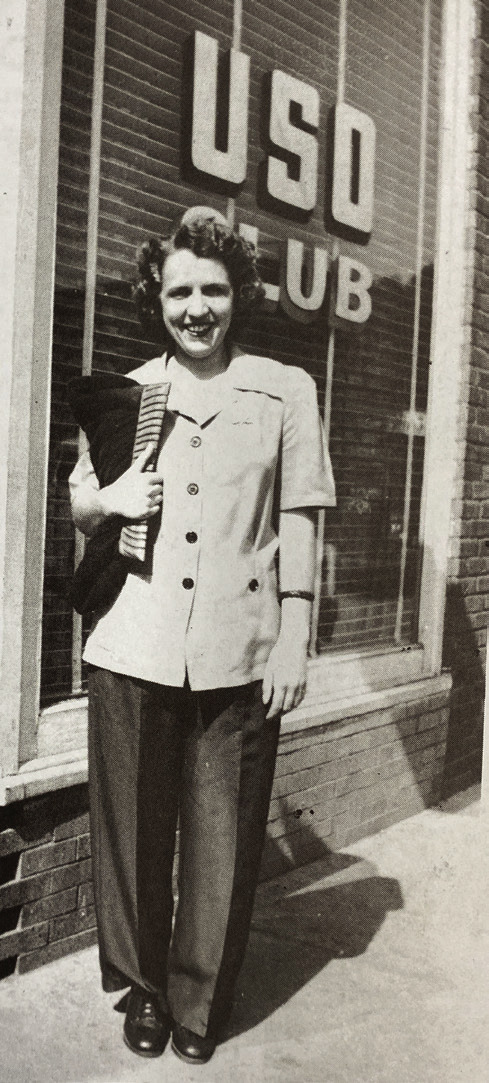
The United Service Organization was founded as World War II broke out in 1941. The role of the USO was to support soldiers as a “home away from home.” Volunteers provided letter writing for soldiers, sewing services, dances, meals, and recreation. The Peoria USO club was located directly across the street from the Pere Marquette Hotel. It was renovated in mid-1944 and boasted the largest dance floor in the middlewest. The organiza- tion had a bowling alley and a main lounge, and hosted picnics, dances, and parties, according to its director.
Once construction at Camp Ellis was underway, plans for local USOs began in earnest. Canton had a USO renovated at the site of a previous YMCA. The Ipava USO was at the Ezra Burgard Car Showroom on North Main Street. Lewistown’s USO club advertised a bingo party, a special breakfast hour, a trip to Dickson Mounds, and a drawing for a free phone call home.
While housing and other areas of Camp Ellis were segregated, the hospital, PX, theatres, and work areas were not. The USOs of Macomb, however, were segregated. In July of 1943, the Macomb City Council received permission “for use as a USO center for colored soldiers for the duration, providing a petition was presented to the City Council,…. giving consent of the required number of property owners within a radius of one block of such proposed location on the Lincoln school grounds….,” according to Macomb City Council minutes.
The July 13, 1943 Macomb Board of Education minutes show the board's approval of a new USO to be located on the grounds of Lincoln or Roosevelt schools, and the appointment of a new USO Club Director for Negro soldier activities. James Emerson Black had previously served in USO work at the Great Lakes Naval Training Station.
In August of 1943, Macomb had made its own plans for a USO to welcome troops to town. Many soldiers came by train to Camp Ellis, and the line's terminus was right in the middle of Macomb. The Holland Clinic, formerly the Dr. Bacon Residence at 232 East Jackson (currently Macomb City Hall), was selected as the location. The City purchased the building for $42,500. The National USO provided $40,000, and the City of Macomb voted on a $28,000 bond issue for equipment and remodeling. The renovation was to be completed in 75 days.
The National USO had use of the building for the duration of World War II or as long as Camp Ellis was in operation. Six months after the USO ceased operation, the City of Macomb was entitled to take possession of the property. The USO suggested the city could use the property as “a community recreation center, as a recreation club for returned war veterans, as a city building, or for all of these purposes.”
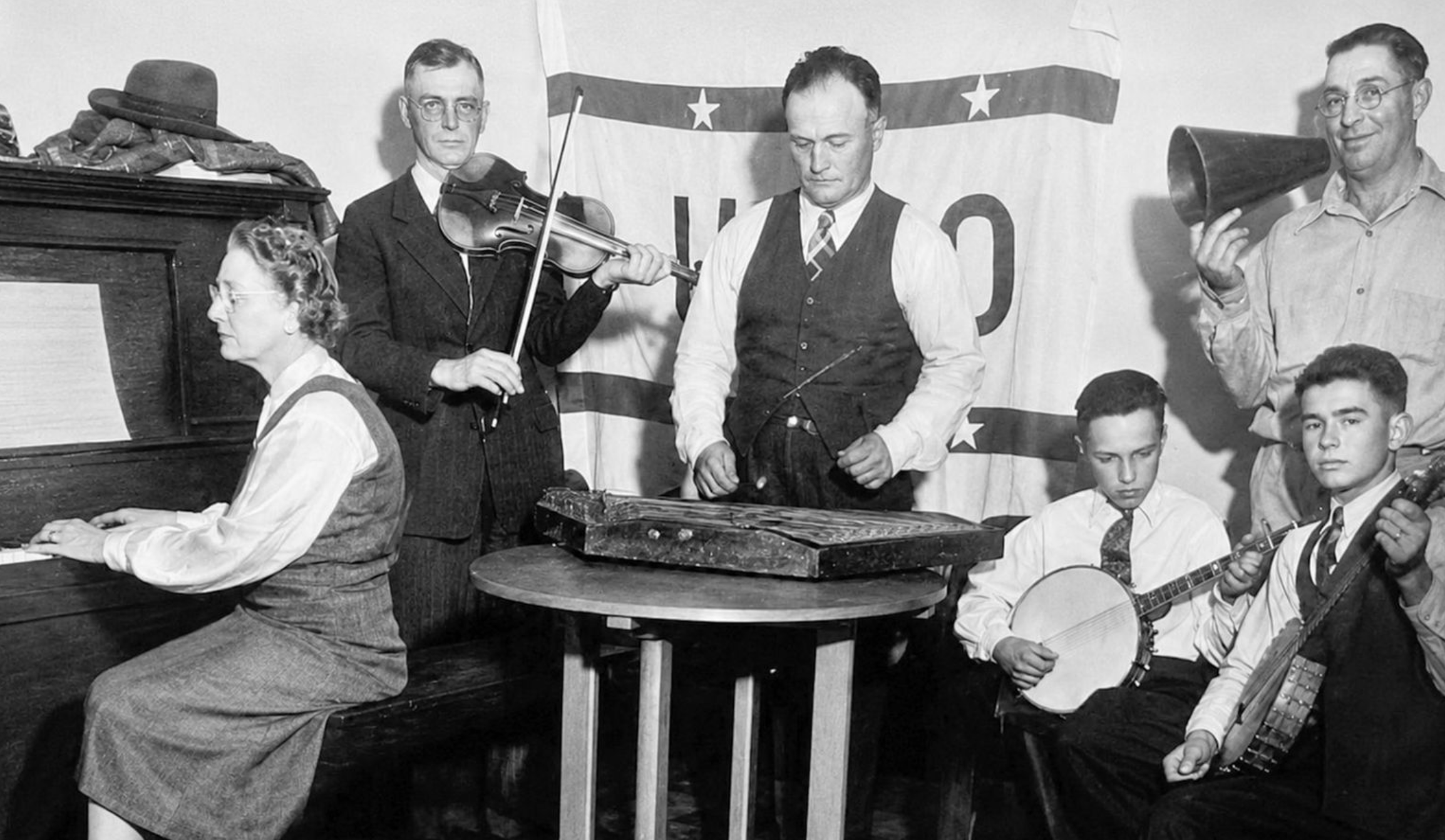
The Macomb USO schedule was full of daily meetings, including time for soldiers to bring in their uniforms to have patches sewn on, informal dances, turf bowling, horseshoes, and golf. Free coffee, free suppers, bridge lessons, and even a Spanish class taught for Army wives was on the schedule. The famous Robinson-Stoker Band of Industry even performed at the Macomb USO.
Barney Maticka served as the USO director in Macomb. In December 1943, Director Maticka reported a “rather large increase” in attendance over the weekend at the Macomb USO. He estimated over 1,000 soldiers visited the Macomb USO. The Macomb Elks Club reported that over “700 soldiers attended its activities” during the same weekend.
Macomb’s efforts to provide a “home away from home” to Camp Ellis troops were well noted. A large USO at the Holland Clinic and a Negro USO point to the fact that the city fathers welcomed troops to the community. Today, the Macomb City Hall, formerly the Holland Clinic and Dr. Bacon’s residence, carries echoes of World War II troops dancing, playing cards, and finding an escape from the war.
Next week’s edition will continue the McDonough County and Camp Ellis connection during World War II.