For some, the ringing just never quits. Tinnitus is the perception of sound—often described as ringing, buzzing or roaring—when there’s no outside source producing it. And while no one else can hear it, the sound can be impossible for those experiencing it to ignore. A local audiologist is offering a new treatment option to decrease tinnitus and improve hearing loss – both of which are linked to cognitive decline – and give her patients back a sound quality of life.
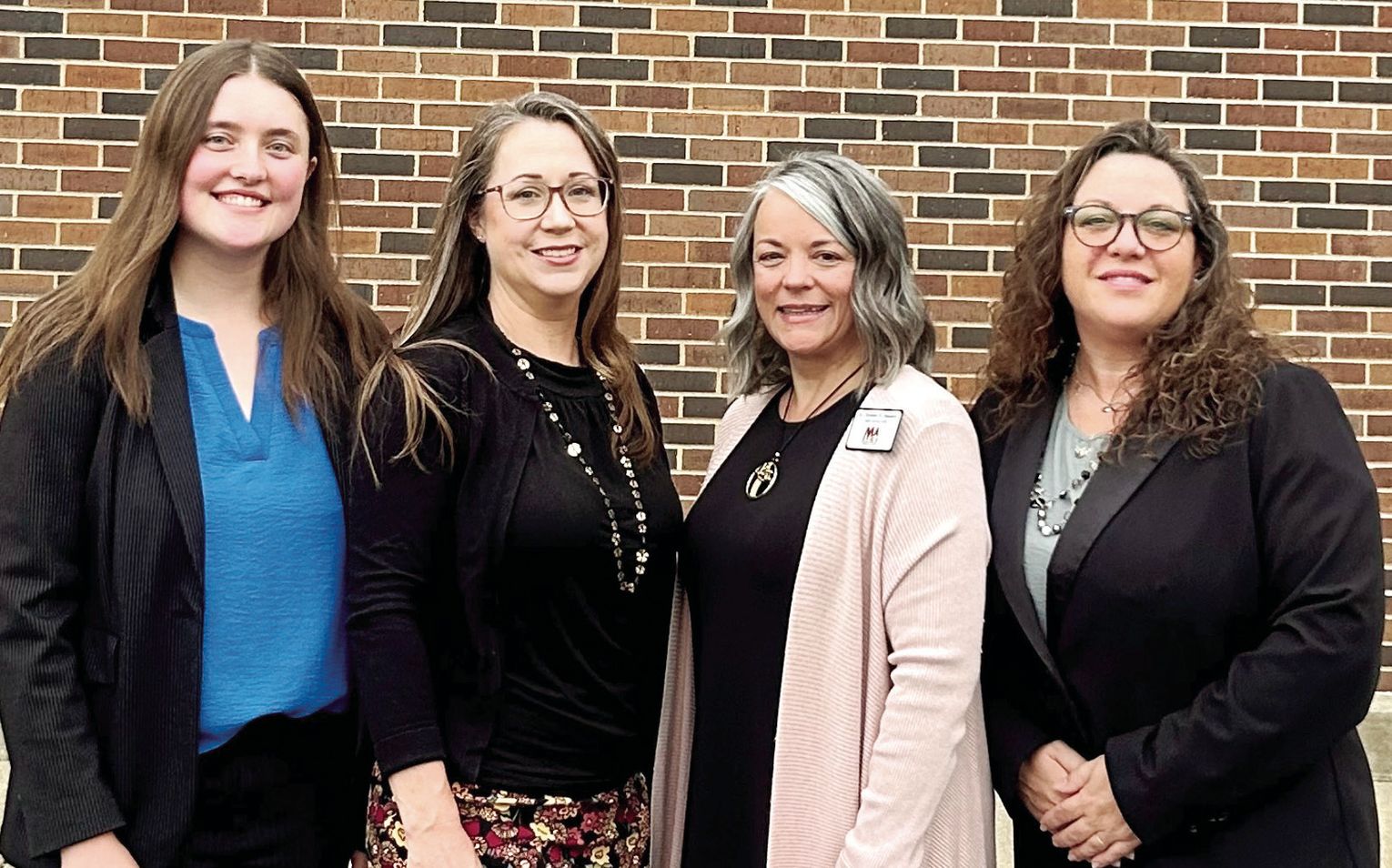
Dr. Christine Standard, who owns Macomb Audiology, located on the first floor Health Services Building 2 on the McDonough District Hospital campus, became certified two years ago not only to treat hearing loss for individuals diagnosed with dementia, but to slow the progression of the neurological brain disorder by providing prescriptive hearing aids. Now, Standard is debuting a comprehensive treatment program that includes not only the aids, but also companion apps for lifestyle habits that help reduce cognitive decline, as well as ongoing hearing- related tests beyond the required and traditional evaluations.
Standard has run Macomb Audiology for more than 23 years, making her the longest-serving independent audiologist in town outside of Western Illinois University's clinic. She started by working for Dr. Terrance Woods, Macomb's first ear, nose and throat specialist, before opening her own practice. This new treatment addition to her practice is one more method to help others, she said. The Medical Treatment of Hearing Loss and Tinnitus program, a neuroscience-based treatment program for hearing loss and tinnitus, begins with a seven-step cognitive screening and diagnostic evaluation. It's available to new and existing patients.
'Hearing care is brain care, and the peer-reviewed, scientific research is eye-opening, especially since I had Tinnitus for over 30 years and when I learned that untreated tinnitus, coupled with untreated hearing loss, is considered a neurodegenerative brain disorder, I was surprised,' she explained. 'I made the change and got prescriptive hearing devices to help my tinnitus. Even though I didn't have any hearing loss, if you have tinnitus, that's your brain telling you that there is damage to your system, and now the number one treatment for tinnitus is prescriptive hearing technology.'
The number one thing a person can do to help reduce the likelihood of cognitive decline is early treatment for hearing loss and/or tinnitus. The sooner treatment begins, the better off you'll be in the long run, Standard pointed out.
'According to the Journal of American Medical Association (JAMA) Neurology, you're 63 percent less likely – 63 percent – to develop dementia if you treat your hearing loss,' she added.
At the training two years ago, and through the new treatment plan she offers based on that training, Standard learned there are 14 modifiable factors that one can change to help slow cognitive decline. Besides the number one factor of treating hearing loss, the other top factors include reducing LDL cholesterol, increasing social engagement and continuing to learn.
'Through this program, our patients have access to the app, 'Preventing Decline,' which provides guidance for those other lifestyle aspects outside of hearing care,' Standard said. 'There is another AI-based app that includes games and learning- related activities to help keep your focus sharp.
'While we're here to help with the number one factor, and that's the treatment of tinnitus and hearing loss, we are committed to treating the whole person, which is why we're so invested in this new program,' she affirmed.
She had her first two patients begin this program this week, and she's looking forward to continuing to provide education, information and treatment to new and existing patients. Standard is also working with area physicians to help identify hearing loss during exams, such as annual physicals, so the doctors can refer their patients to an audiologist like Standard to begin evaluating and treating hearing loss.
'I'd like to complete some in-service with doctors to talk more about hearing loss and how it's coupled with mental health and cognitive decline,' Standard said.
Standard acknowledges that prescriptive hearing devices can be expensive, so she makes sure to offer a variety of aids, from the basic to the 'Cadillacs,' as well as a few financed credit options for devices and the new program. While most insurance programs will cover devices to some extent, the treatment program is an added 'perk' that's typically not covered, she explained.
In addition to accepting private pay and a variety of insurance programs, Standard is a Medicare and Medicaid service audiologist. She also works for the Division of Specialized Care for Children and Office of Rehabilitation Services, as well as serving with the Veteran Administrations Community Care Network (VACCN). Through VACCN, her practice provides audiological and hearing aid services to veterans, with authorization from the Veterans Administration.
While those devices she prescribed might be covered fully – or at least partially – she also recognizes that there are less expensive options offered at select big box retailers or online. And in her words, when it comes to hearing loss, she believes 'something is better than nothing.'
'I understand that cost is a factor, and unfortunately, it can be expensive to get state-of-the-art hearing aids through a licensed audiologist. In a perfect world, there would be one state-ofthe- art device that everyone could afford, but with all the options out there, the costs are going to continue to remain out of reach for some,' Standard lamented. 'I want people to know while over-the-counter devices aren't regulated and they're set arbitrarily, without the opportunity for follow-ups, if that's what someone needs to help with hearing loss, then that is better than leaving it untreated.
'Our goal is to provide the best level of care that we can provide in a medically-based office,' she added. 'No matter what, my team will work with you to ensure that we will do the best we can for you.'