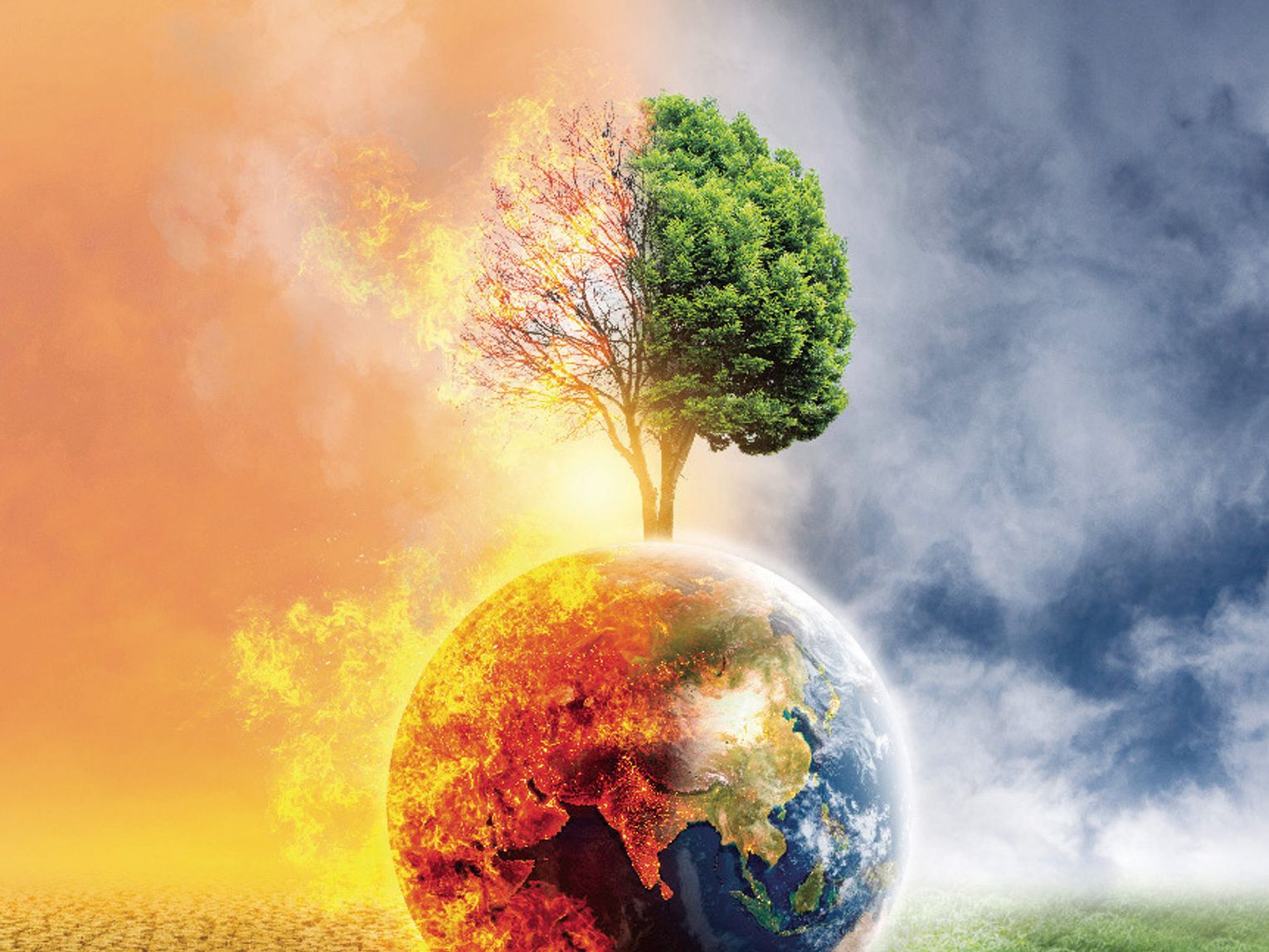
Global warming and periodic weather changes are often discussed together, yet they describe fundamentally different phenomena. Confusing the two can obscure the scale and urgency of longterm climate trends, so it’s important to understand how they relate, and how they are different.
Global Warming: A Long-Term Climate Trend
Global warming refers to the persistent rise in Earth’s average surface temperature over decades and centuries. The scientific consensus attributes this trend primarily to human activities, especially the burning of fossil fuels, deforestation, and industrial processes that increase atmospheric concentrations of greenhouse gases such as carbon dioxide and methane.
The key characteristics of climate change are measured over 30 to 100 or more years.
Climate is global in nature and affects the entire planet. Change is driven by an energy imbalance. The imbalance occurs when more heat is trapped in the atmosphere than escapes into space. As a result, there are rising sea levels, shifting ecosystems, more frequent extreme weather events, and long-term changes in precipitation patterns.
Global warming is not about day-to-day temperature swings; it’s about a systematic upward trend that reshapes climate baselines.
Periodic Weather Changes: Natural Short-Term Variability Weather, by contrast, is local and shortterm. It includes daily temperature fluctuations, storms, cold snaps, heat waves, and seasonal patterns. These changes are influenced by atmospheric circulation, ocean currents, geography, and natural cycles such as El Niño and La Niña. Weather is about hourly changes or seasons, not years.
Weather varies widely across locations, can shift dramatically from one day to the next, and includes predictable patterns like winter cold or summer heat.
Periodic weather changes do not indicate long-term climate direction. A single cold winter or unusually mild summer does not contradict global warming; it simply reflects normal variability within the broader climate system.
How They Interact
Global warming influences weather patterns. It does so by changing long-term background conditions. A warmer atmosphere holds more moisture, increasing the intensity of storms. Higher baseline temperatures make heat waves more severe. And altered jet stream behavior can lead to unusual cold spells in some regions. These effects show how climate shapes weather, not the other way around.
Understanding the distinction matters because weather is what we experience, but climate is what our long term survival depends on. Policy decisions require long-term data, not reactions to short-term fluctuations. Misinterpreting weather as climate can lead to false conclusions about global warming.
Conclusion
Global warming is a long-term, humandriven shift in Earth’s climate system, while periodic weather changes are natural, shortterm fluctuations. Recognizing the difference helps clarify public debate, improves policy decisions, and strengthens our ability to respond to environmental challenges that unfold over decades, not days.
Make your opinions heard by those representing policy issues!