Steps You Take Now Can Help a Brain Age Gracefully
The three 'm's' – and one 's' - matter, especially for gray matter.
Music, moving your body, making friends and sleep can go a long way in making brain health – and memory – remain strong as we age. June was designated as Alzheimer's and Brain Health Awareness Month; however, the awareness – and effort - doesn't begin and end with just one month, and according Julie Cox, a speech-language pathologist and associate professor of speech pathology and audiology at Western Illinois University who specializes in dementia- and Parkinson's-related therapy, there's always work to be done to keep the brain performing at its best.
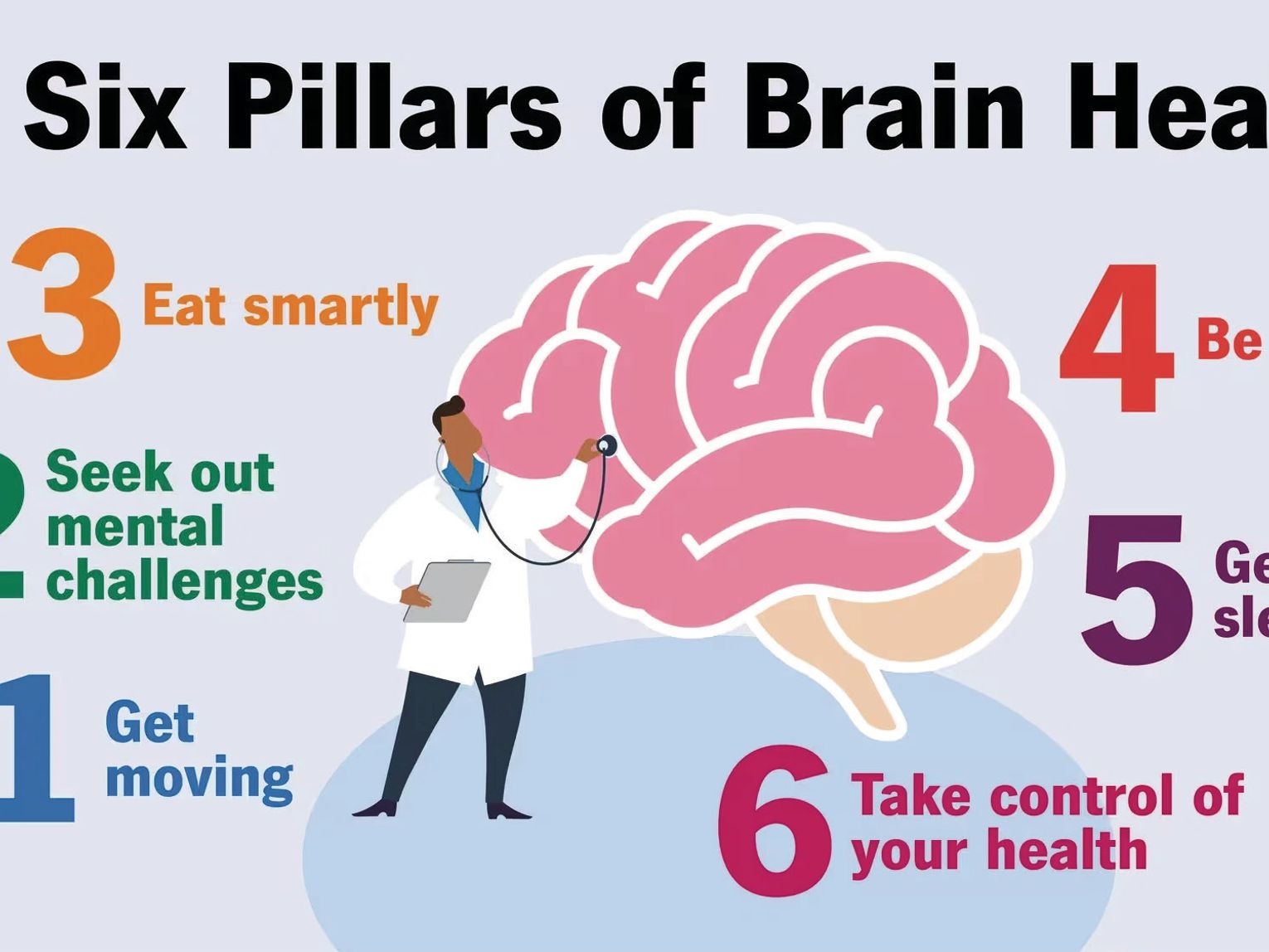
What's the number one thing that a person can do to keep their brain healthy? Physical activity and building muscle … simply moving your body, Cox pointed out. Even though dementia can't be stopped, there are things that will help stave off a stagnant brain a bit longer, and sitting isn't one of those things.
'There's research that does indicate that Alzheimer's and other dementia have a genetic component, but not everyone who has a family member with dementia will also be diagnosed,' Cox explained. 'That said, there are some things that you can do to keep your brain active and engaged throughout your lifestyle.'
While it's never too late to swap out not-so-healthy lifestyle habits with healthier choices, much like any ounce of prevention, the younger one starts paying attention to their brain health, the better, she added. When people are younger, adopting healthy habits to prevent diabetes, high blood pressure and high cholesterol will further protect their cardiovascular health and much more in the long run, Cox pointed out.
'The research also shows that more people are afraid of developing some form of dementia than cancer. It's very much a feared disease,' she shared. 'What you can do now can really make a difference in your health overall.'
Sleep is also a huge factor in resetting the brain and launching the 'recovery sequence,' and staying on top of lab work is critical to maintaining brain and overall health. In addition, knowing the side effects of any medication(s) taken for chronic conditions can help keep an eye on things, especially for older adults. Make it a point to have an annual physical, and don't 'poopoo' or minimize things – tell your doctor if you're not sleeping well or if you've been feeling 'off.' If you, or you suspect your loved one, may be experiencing symptoms related to dementia, seeing your primary care doctor is the first step, followed by a referral to a neurologist. It could simply be a medication issue, or a UTI, so seeing the doctor is crucial, she noted.
'We know that there are many factors that correlate to one's health, including brain health. You know your body. Pay attention to what's going on,' Cox noted. 'We know the use of tobacco and alcohol are not good for us, yet these habits continue. We know a sedentary lifestyle can cause numerous health-related issues, yet we sit and we sit and we sit.'
Building good, healthy habits can take time, but with consistency, overall health – physical, emotional and mental – will improve. For example, dedicating 30 to 45 minutes of some kind of physical activity two or three times a week can make a world of difference, as can something like having coffee with a friend or joining a club or organization, Cox said.
'Besides moving your body, stay social. Make meaningful connections with others. Anything where you communicate with others is a great thing for our brains,' she added. 'Social isolation contributes to brain atrophy. We need to keep using our mind and engaging our brain.'
Taking part in anything creative also exercises the brain muscles … from taking in a movie or a play, and talking about it with someone after learning a new craft or hobby uses a different part of your brain, and also contributes to good mental health. While there's mixed evidence that crossword puzzles and other 'brain teasers' are the be-allend- all, Cox said, it doesn't hurt to do them, but the best brain teasers include those that incorporate processing speed … think memory matching games or everyone's favorite electronic version of 'Memory,' Simon.
'These speed-related processing games really help the brain think quickly and accurately over time,' she said. 'And shaking things up, like using your non-dominant hand to brush your teeth, can be a good idea. Using both hemispheres is a very good thing.
'The bottom line is: move, eat right, be social and see your doctor on a regular basis,' Cox concluded. 'What we do now can impact our life for years to come and can help us reach our maximum potential.'