After a serious illness or surgery, patients often face a tough choice: spend weeks recovering in a nursing home or go home before they're truly ready.
McDonough District Hospital's Hospital 2 Home (H2H) Swing Bed Program now offers a third option: skilled nursing and rehabilitation care right here, in familiar surroundings, with the same care team patients already trust.
The program, relaunched in 2025 after being sidelined during the pandemic, is filling a critical gap in rural post-acute care.
MDH made the decision to bring the program back to meet the community's needs and to provide additional health services for their patients.
'This program also generates additional revenue for the hospital, making it a winwin, but most importantly, it provides health service care for our patients, and that is what MDH is all about, patient care.' stated MDH VP of Business Strategies, Patrick Osterman Since the start of the year, MDH has had swing bed patients in its daily census nearly every day.
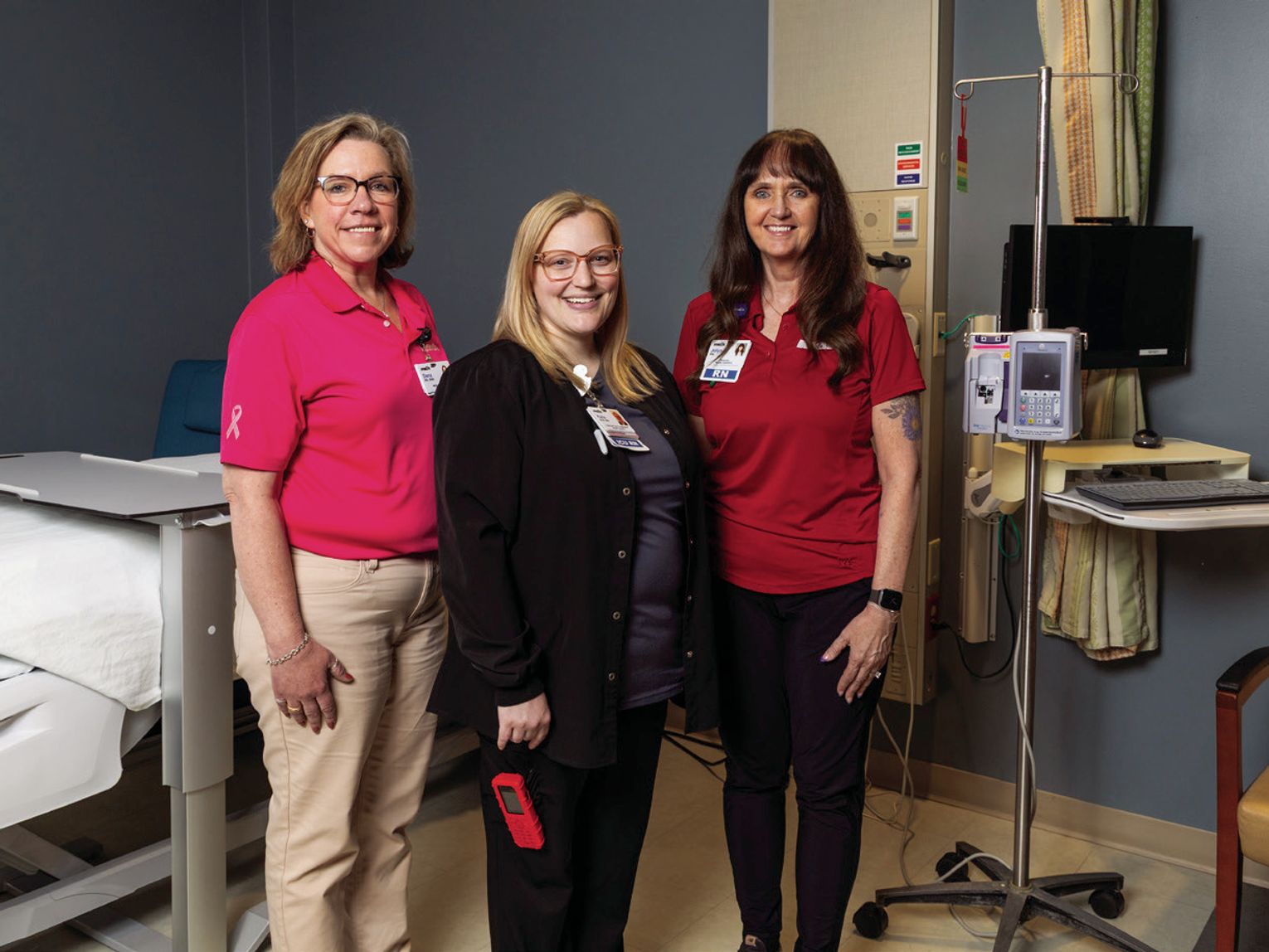
'Access to short-term rehabilitation close to home can be limited for our patients,' said Registered Nurse Jolyn Utter, MDH Acute Care/ICU director. 'Our swing bed program fills this important gap — keeping patients near their families and support systems while ensuring high-quality, individualized care.'
Utter makes it clear: “No two recovery journeys are the same. Whether it’s walking independently, managing medications, or returning to daily routines, our care is always patient-centered.”
What Makes It Different
The swing bed model is simple but powerful: patients who no longer need acute hospital care but aren't ready for home can transition to skilled swing bed care without leaving the building.
'A 'move' to swing bed care is an administrative change without a physical transfer,' Utter said. 'It allows patients to continue their recovery with the same trusted MDH care team while building strength and independence.'
That continuity matters. Unlike traditional nursing home care or home health services, the swing bed program delivers skilled nursing and therapy services within the hospital. Nurses, therapists, and doctors who've been treating the patient throughout hospitalization continue their care.
'Because patients remain within the hospital, communication between nurses, providers, and therapists is streamlined,' Utter said. 'This coordinated approach reduces gaps in care and supports a smoother, safer return home.'
Who Qualifies
To be eligible, patients must have been hospitalized as acute inpatients for at least three consecutive midnights within 30 days. They also need to be medically stable for 24 hours before transfer and alert enough to follow directions.
Medicare covers up to 20 days fully and up to 100 days with co-payment. Other insurance plans may have different coverage limits.
Registered Nurse Dana Wesley, H2H Swing Bed coordinator, evaluates whether patients meet the program's criteria, many based on Medicare requirements.
Available Services
The program covers skilled nursing care, IV therapy, specialized wound care, feeding tube placement and training, and rehabilitation therapy — physical, occupational, and speech. The hospital aims for an average stay of one to three weeks, depending on individual progress and insurance coverage.
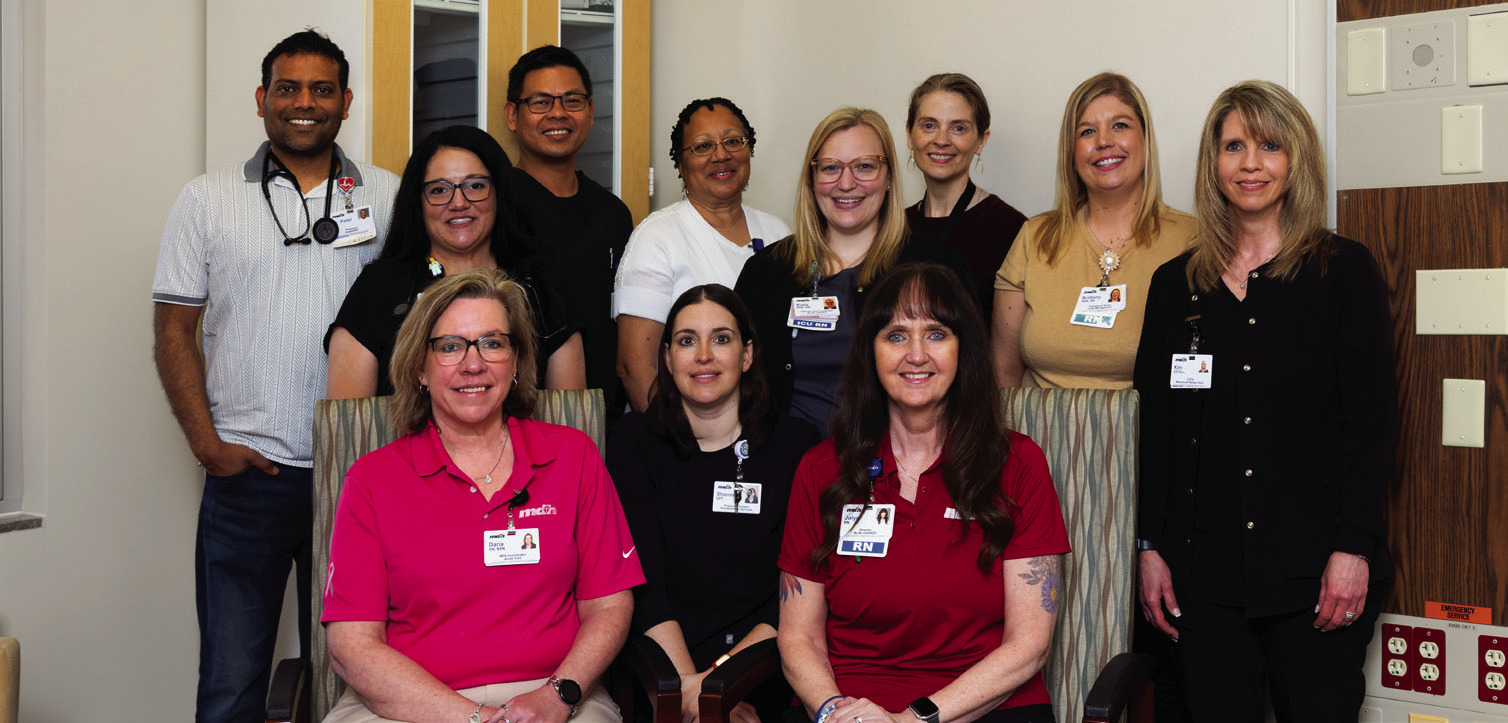
A multidisciplinary team — nurses, therapists, physicians, and support staff — works with each patient to build independence and prepare for safe discharge. Registered nurses staff the unit 24 hours a day. Doctors see patients regularly and are available on-site daily.
Once patients complete the swing bed program, they can access McDonough District Hospital's Home Health Care for ongoing support.
Utter emphasized the personalized approach: 'No two recovery journeys are the same. Whether it's walking independently, managing medications, or returning to daily routines, our care is always patient-centered.' Getting Started
To make a referral or learn more, contact Dana Wesley at (309) 836-1566, extension 12275, during business hours. For evening or weekend referrals, call (309) 833-4101 and ask for the House Supervisor.
Referrals require patient demographics, medical history, therapy evaluations, current progress notes, medication lists, and recent lab work.