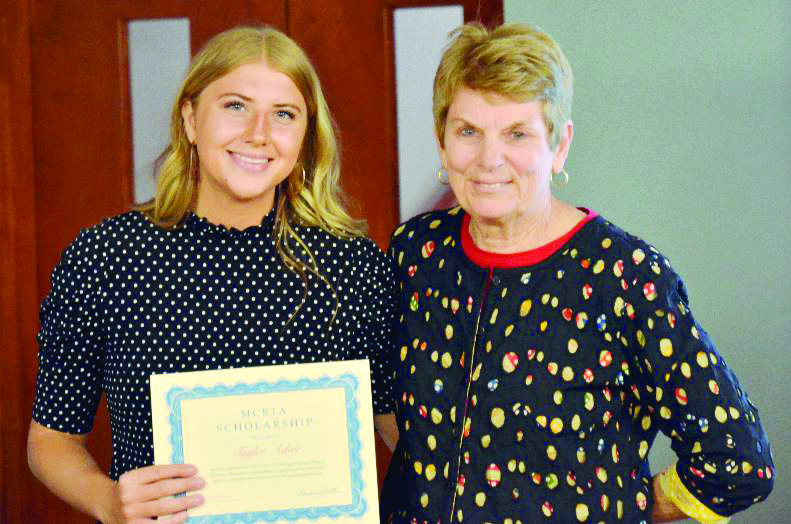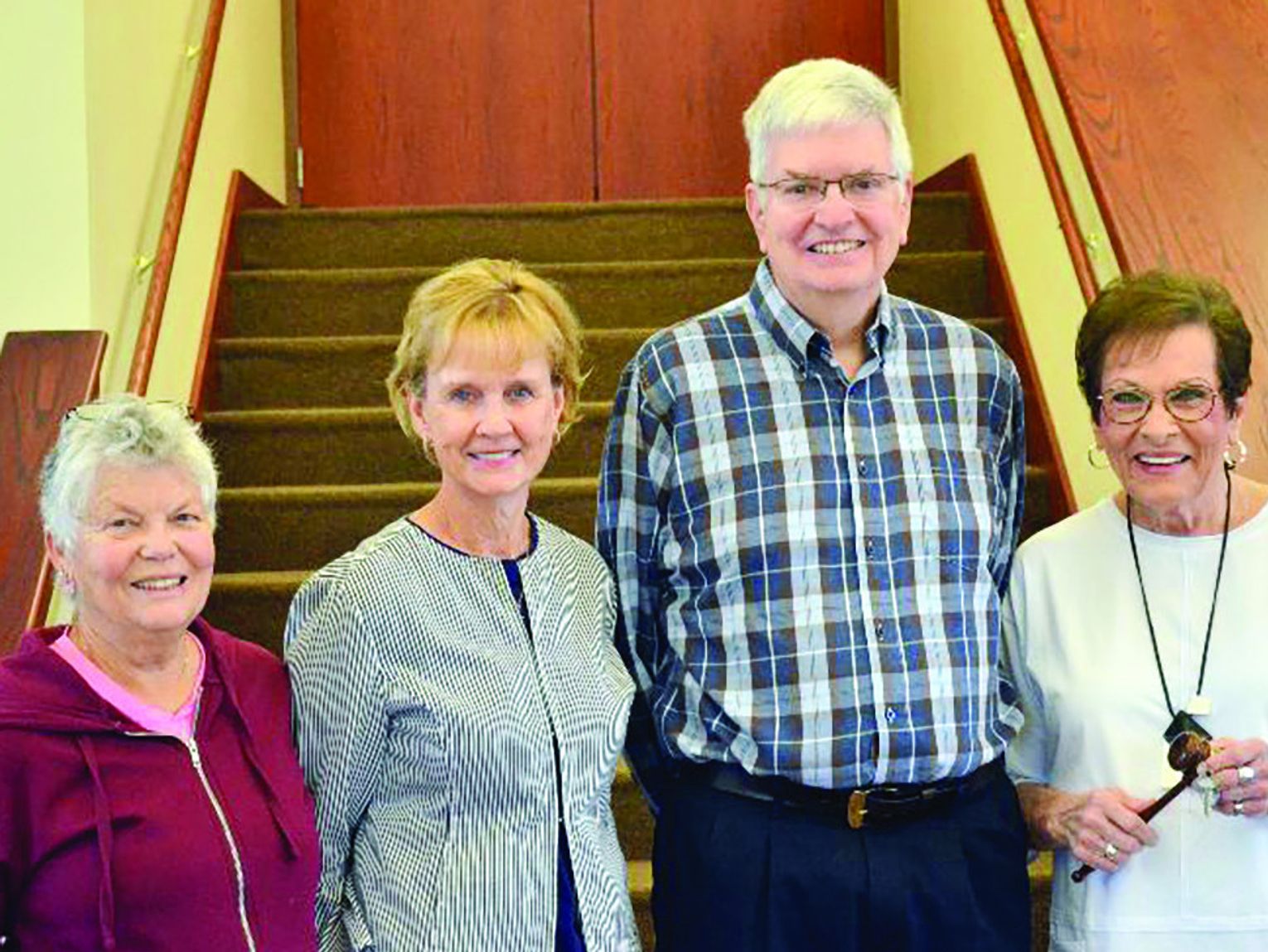
When the McDonough County Retired Teachers met Friday, May 8, 2026, at Trinity Lutheran Church to install officers for the next school year and to award a scholarship to a future teacher, they didn't expect to enter a fascinating period in our area's history.
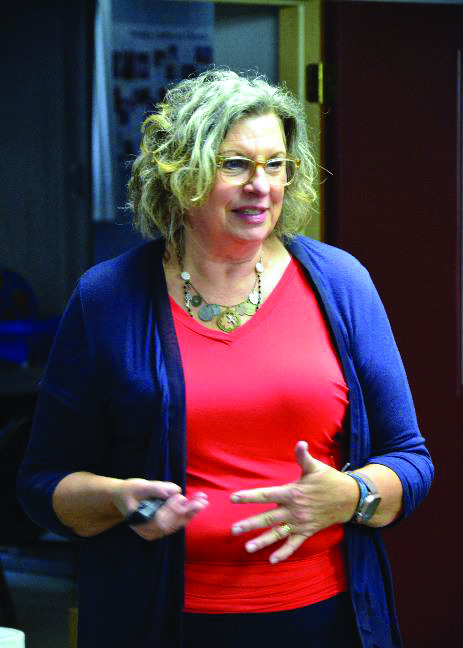
Guest speaker was Julie Terstriep, who has documented the brief life of Camp Ellis between Table Grove and Ipava in the Community News Brief and in other public venues.
For her presentation to the retired teachers, she shared basic information about the origins of the camp, the land acquisitions (still a sore point for those affected), its mission, and its impact on the surrounding area.
She focused on one smaller function of the camp — as a prisoner of war facility, specifically, on the stories of two prisoners, one who escaped and managed to evade capture for many years and one who returned to America after the war.
Reinhold Pabel was wounded and captured in Italy in 1943 and eventually transported to Camp Ellis.
As Terstriep recounted, Pabel was one day doing grounds clean up and came across a magazine containing an article by FBI Director J. Edgar Hoover giving advice — presumably to American POWs — on how to escape. Pabel used that information to work his way to Chicago where he eventually opened a book shop under the alias of Phil Brick and lived for eight years, even raising a family.
Eventually, the FBI latched on to him, and he was sent back to Germany. However, he returned to America and was granted U.S. citizenship. Kurt Peckmann's story was less dramatic. After the war ended, he was repatriated to Germany but return to Wisconsin, where he had spent much of his POW time after Camp Ellis. He developed his stonemasonry skills into a thriving business. He designed many veterans' memorials and even restored a veteran site that had been vandalized — at no cost. For this, President Ronald Reagan awarded him an Honorary Purple Heart in 1986.
These, and many other stories of people who built, worked, and served at Camp Ellis, are part of Terstriep's continuing efforts to ensure that events occurring over 80 years right in our back yard will be preserved.
For more information about Camp Ellis, go to the following online sites: easleypioneermuseumil. historyarchives.online (Camp Ellis newspaper)and campellisillinois.home.blog (Terstriep blog).