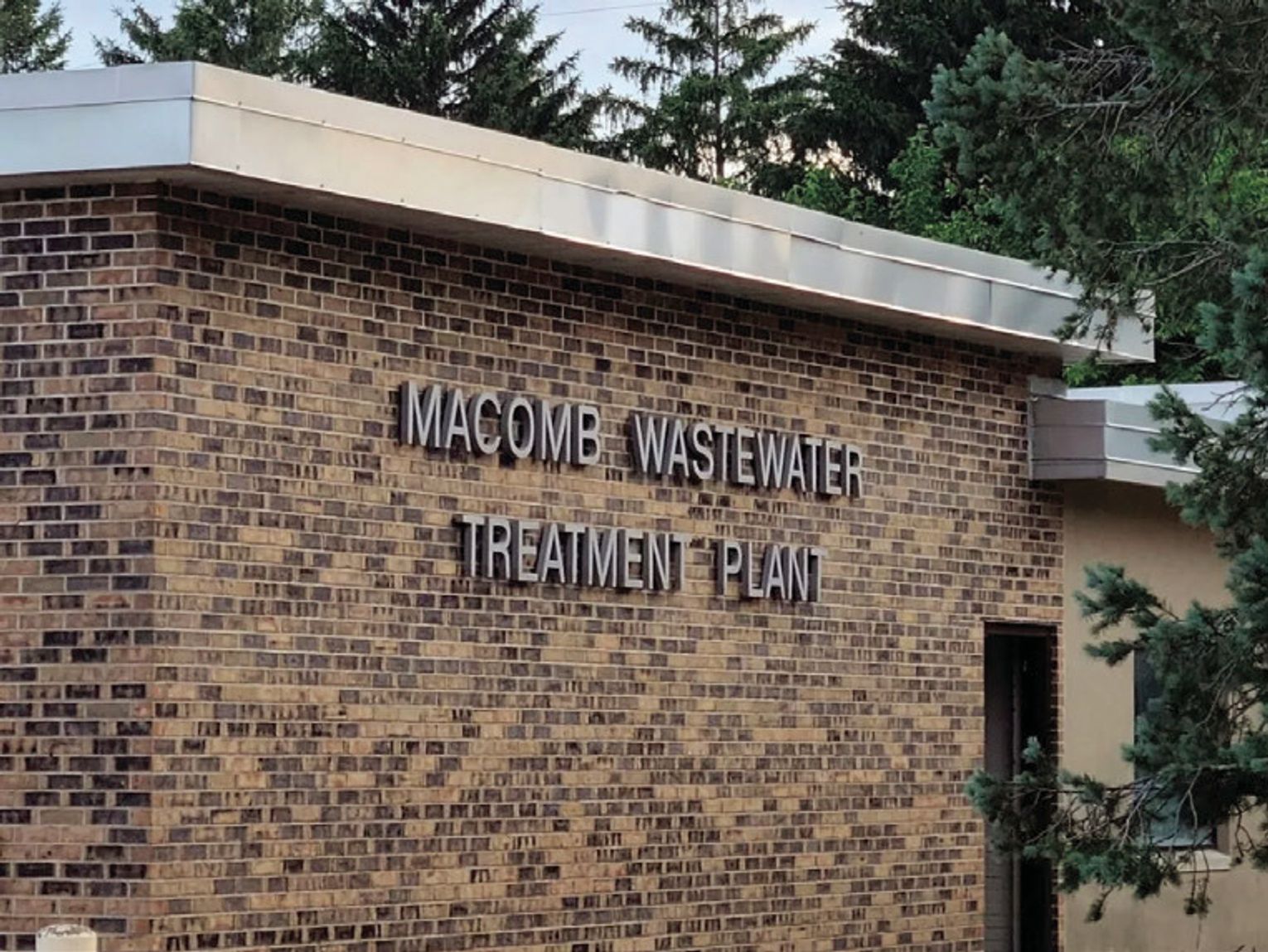
Bids will go out by the end of this month for Macomb's new water treatment facility, which will be constructed at the corner of Ward and Grant streets on the city's southwest side, adjacent to the city-run sewage treatment plant.
According to Mayor Mike Inman, bids for the $40+ million project, which is being funded by a loan from the Environmental Protection Agency (EPA), of which approximately $10 million is 'forgivable,' will return at the end of next month. It's the city's hope that construction can begin later this summer, with the project completed by late 2027 or early 2028. While the city is funding the initiative through the EPA loan, payback of the $30 million will be done through fees collected from water bills, something the city has been planning for quite a few years, he added.
'Over the course the last few years, we've slowly been raising water and sewer rates so our water customers will not experience significant rate increases all at once,' the mayor explained. 'This is something we've been planning for, and actually began the rate increases five years ago so we could do this. We would not have been able to secure the EPA loan without increasing rates.'
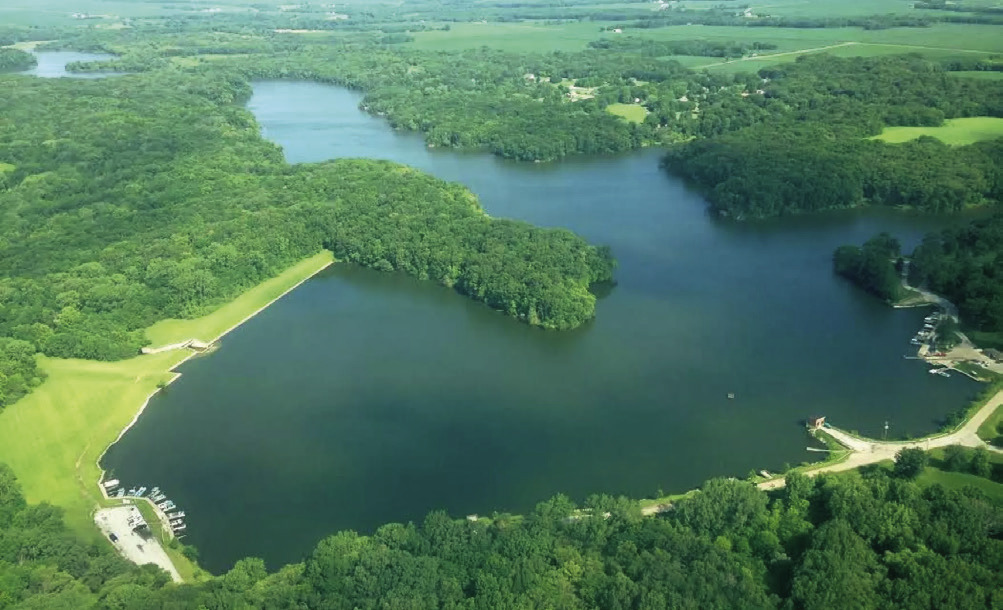
The current water plant on the far north side of Macomb, behind the Glenwood Park Pool, is antiquated and cannot be expanded upon or rebuilt at that site. The need for a new water treatment plant comes after several decades of using Spring Lake as the city's primary water source, which is considered a surface water source. With a surface water source, there are numerous challenges - and large expenses - that have made this an unsustainable supply for Macomb's drinking water, Inman pointed out. The new plant will feature an aquifer system, composed of three wells that are 1,800 feet below surface (or 1/3 mile), that pose far fewer issues, he noted.
'Any municipality using a surface water source is challenged by organic compounds from runoff – chemicals from fields, animal waste and matter – and we've taken great steps to mitigate and control these by purchasing farmland around Spring Lake and to treat the water source through a low-pressure membrane filtration system we installed about 18 years ago,' Inman said. 'It's very expensive to treat, and EPA has also increased its standards regarding water quality. We're all about water quality; however, the expense of meeting these standards to treat our water source from Spring Lake has gotten unstainable for the city as the chemicals used to treat have more than tripled in price over the years.'
In addition, when treating per EPA standards, Trihalomethanes (THMs), chemical byproducts, are produced, which can have detrimental impacts on health and are hard to mitigate. This, along with the cost, are why it's in the city's best interest to provide a new water source, he added. And with the proximity of building the new plant to the north and west of the city's sewage treatment plant, there will be cost savings as the waste matter produced via reverse osmosis at the water plant can be pumped directly 'next door.' The water supplied to Macomb's new wells will come from the St. Petersburg aquifer that runs under the Mississippi River near Gladstone to areas south and west of Macomb.
'This aquifer is plentiful and deep, much deeper than we thought,' Inman pointed out.
Part of the power provided to the new plant, as well as the city's established sewer plant, will be provided by a new solar array being installed on the corner of Grant and Ward. This, along with the new process versus having surface water as the city's source, will keep rates from increasing dramatically to service the debt on the new plant, Inman stressed.
'Again, we've been implementing gradual increases over time so our residents aren't hit all at once, and once the water plant is operational, it will result in fewer and less expensive rate hikes,' he said. 'The switch to the new water source, new plant technology and a reduction in energy costs due to the solar array will eventually reduce our operating costs, and in the future, should lead to less volatility in rates, while ensuring the highest water quality to our residents and customers.'