This is the first in a threepart story about changes at McDonough District Hospital during its 67 years that have affected and improved its services.
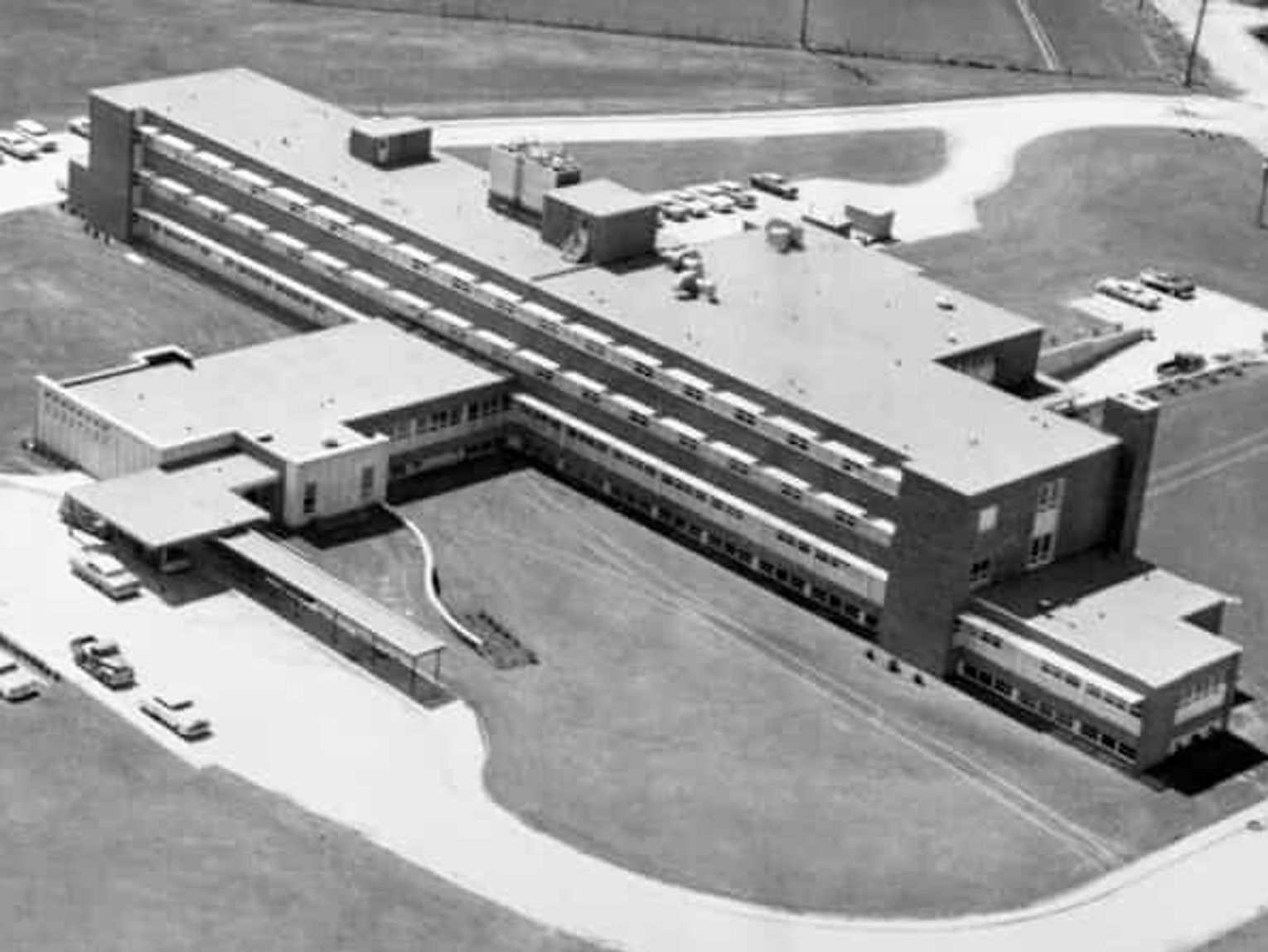
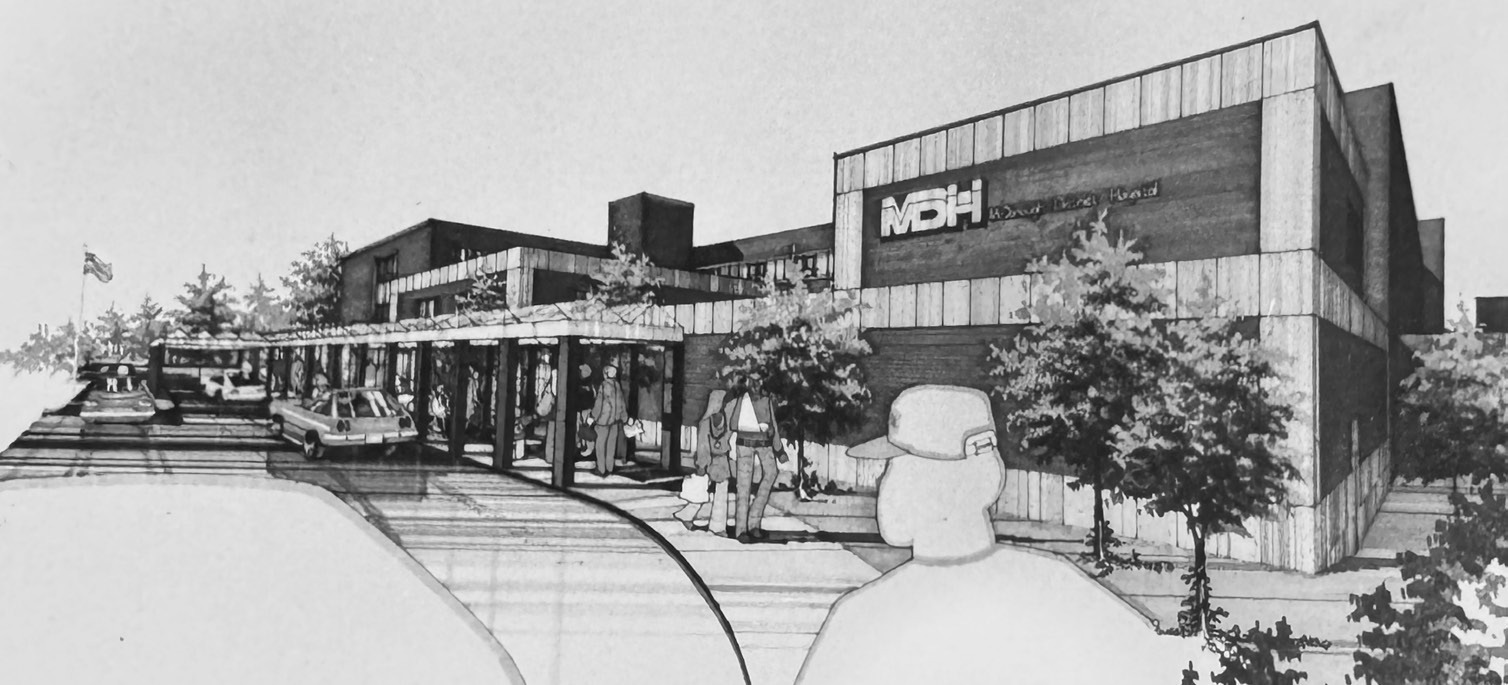
McDonough District Hospital opened in 1958, but its history dates back to March 15, 1955. That’s when McDonough County residents voted to build a new hospital instead of upgrading Macomb’s 52-year-old St. Francis Hospital. The vote was so overwhelmingly in favor of the new facility that its first board of directors was established the following day.
The groundbreaking ceremony was June 30, 1956, and the hospital opened two years to the date later. But this isn’t a story chronicling history, because it would be too long. For the hospital’s 50th anniversary in 2008, MDH published a special 36-page issue of its Vital Signs newsletter. Another 17 years have been added to the archives.
MDH was built in response to the community’s desire for a new facility to provide quality, regional healthcare for its residents.
Through ongoing changes and growth, it offers more services than its founders could have envisioned.
Health care providers increase and specialize MDH had 26 physicians on its medical staff when it opened. Now it has nearly 50 physicians, nurse practitioners (NP) and physician assistants (PA). When MDH opened, NP and PA professions hadn’t been created.
Now, because of a nationwide shortage of physicians, PAs and NPs have become essential health care providers.
Besides the difference in numbers, the range of medical specialties is much greater. Most physicians then were general practitioners, a medical specialty that is now called family medicine. Some were surgeons and a few practiced both. Now, other specialties that are available on the hospital’s campus include cardiology, gastroenterology, general surgery, oncology, ophthalmology, otolaryngology, psychiatry, pulmonology, urology and women’s health (obstetrics and gynecology). To support physician recruitment, the hospital’s board of directors in 1974 approved construction of Health Services Building 1 to provide space for clinics. Three physicians who met during their family medicine residencies in Rockford were among the first tenants. Their group was unofficially known as “IBM,” the last-name initials of Richard Iverson, M.D., Edward Baker, M.D., and Jack McPherson, M.D.
Family Practice Associates, its official name, began in 1976 with Dr. Baker and Dr. McPherson.
“We had an education and a lot of energy,” said Dr. McPherson in a November podcast with MDH President and CEO Bill Murdock. “Unfortunately, very quickly, people transformed Baker- McPherson to the BM group. Nobody wants to be called the BM group. So right away we could see we were going to be busy so we coerced Dr. Iverson to come visit and convinced him to come here so we could, if nothing else, become the IBM group instead of the BM group. He came the following year.”
Minneapolis native Dr. Iverson had never lived in a rural area, unlike his two partners. “I had to think about it for a while,” he said in a 2018 interview published in the Macomb Journal in recognition of the hospital’s 60th anniversary.
“I couldn’t envision living in a small town. I thought I would only be here for five years.”
Between 2001 and 2007, the three original physicians left their IBM namesake group and worked at Western Illinois University’s Beu Health Center. Dr. McPherson returned to MDH after the hospitalist program was established in 2010.
The use of hospitalists eliminated the double duty of primary-care providers (family medicine and internal medicine) making rounds on hospitalized patients before or after clinic hours. Hospitalists only work in the hospital, providing care to inpatients. After patients are discharged, they see their primary-care providers for continuing care.
Patients who require specialized care, such as children and pregnant women, are seen in the hospital by their pediatricians and obstetricians, respectively.
Family Practice Associates merged with Springfield Clinic in 2015. It now consists of five physicians and four nurse practitioners, according to its website.
Most clinics on the hospital’s campus, however, are owned by the hospital.
In 2011, MDH established the McDonough District Hospital Medical Group, a collection of clinics operated by the hospital. It includes convenience care, family medicine, gastroenterology, general surgery, otolaryngology (ears, nose and throat), pediatrics, psychiatry and women’s health. The physicians, NPs and PAs who work for McDonough Hospital Medical Group clinics are employed by the hospital.
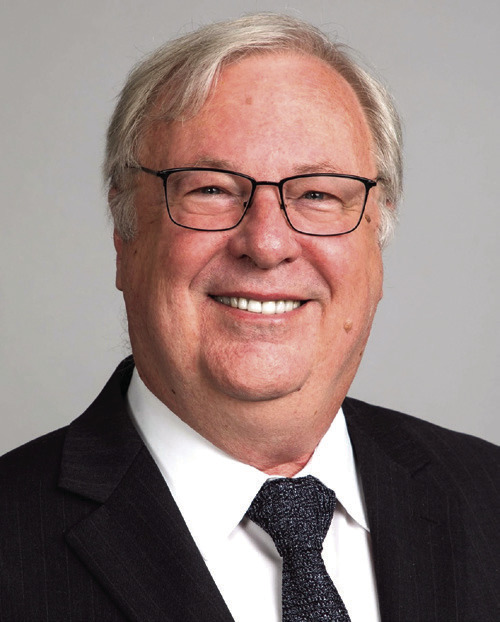
“Thirty years ago, doctors were independent,” Murdock said. “(Insurance) payers now are difficult to work with. Doctors don’t want to spend their time billing and collecting and battling denials. They wanted to get away from that and do what they have a passion for, which is taking care of patents. That’s the primary reason they want to join us.”
Emergency and pharmacy services improve
Although it was considered a modern hospital when it opened, MDH didn’t have an emergency room or pharmacy.
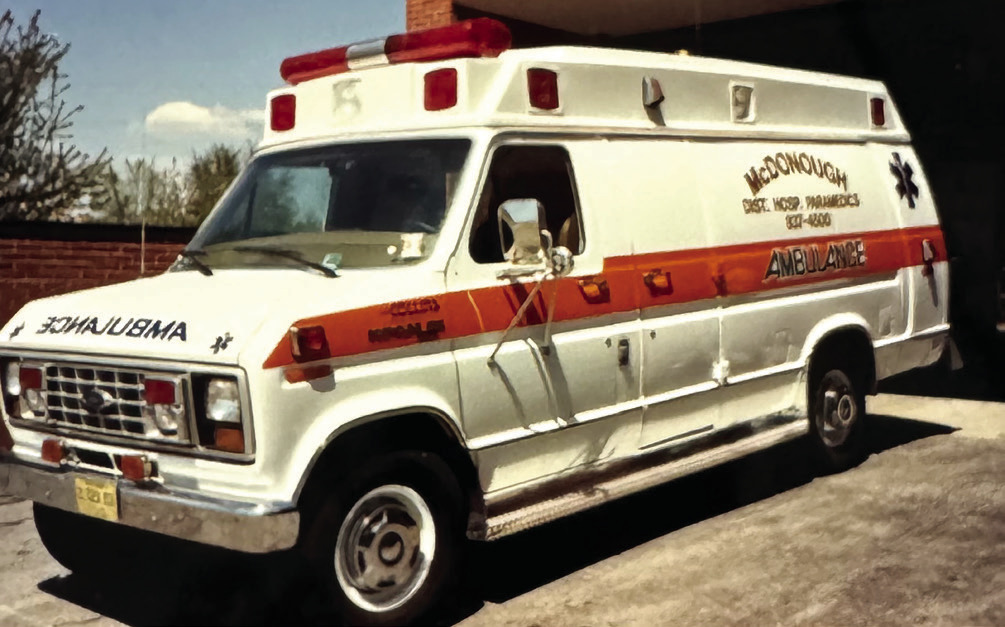
During the first 12 years of its existence, the hospital relied on local funeral homes to provide emergency transportation of patients to the hospital. They used their hearses. In 1970, MDH became the first hospital in Illinois to operate its own ambulance service. Acquired with the help of the McDonough County Board, emergency medical technicians were trained to provide basic emergency care including administering oxygen, treating patients for shock, introducing an airway, splinting, bandaging and providing cardiopulmonary resuscitation (CPR). In 1974, the hospital and Western Illinois University began a paramedic training program for ambulance personnel to provide more advanced care before patients arrive at the hospital.
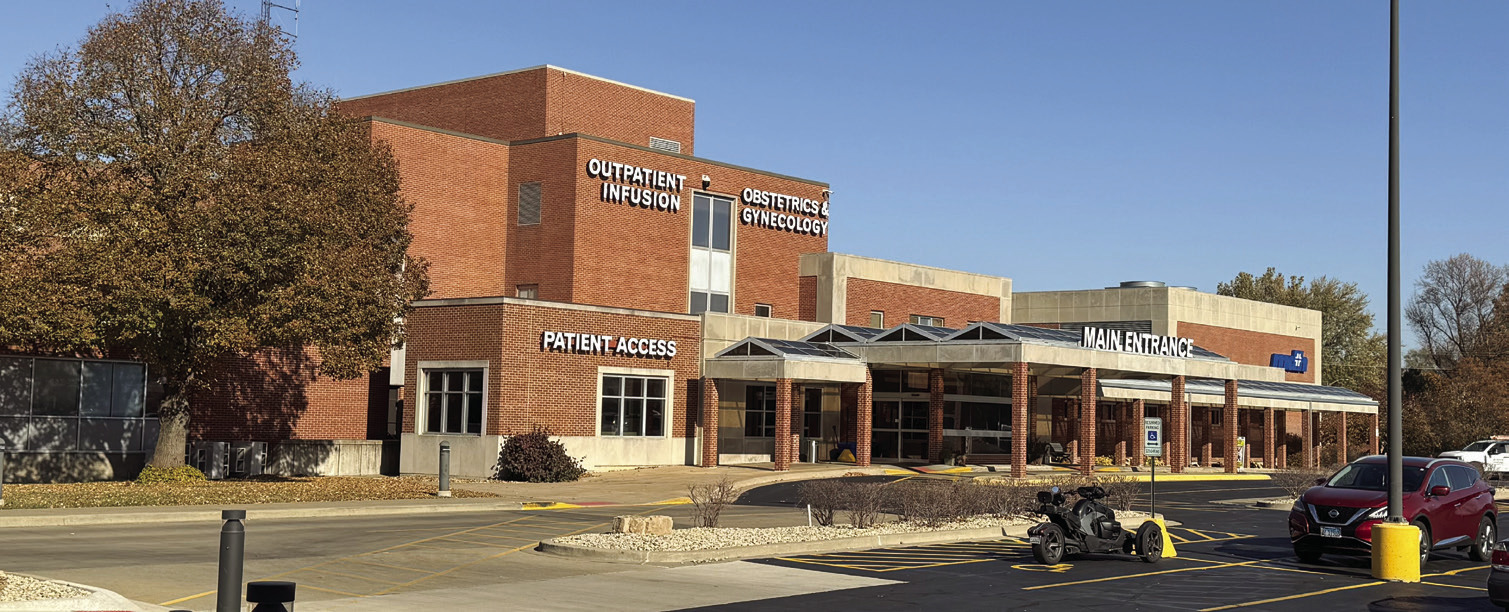
In the early 1970s, the emergency department consisted of three examination rooms. Twenty-four-hour physician coverage began in 1973. It was enlarged in 1980. After other remodeling efforts, a new emergency services addition opened in 2015 on the west end of the hospital. It has 10 private treatment rooms, a large waiting area, a comfort room for patients in crisis and an ambulance garage for bringing patients into the hospital. In 2018, Lifeguard Ambulance Service, contracted by MDH, replaced the hospital- based ambulance service.
In its first nine years, MDH didn’t have a staff pharmacist, probably because there weren’t many drug choices. Penicillin and a few other antibiotics were available to treat infection, and medications to treat hypertension and reduce fluid around the heart were just being introduced. Most drugs used today hadn’t been created. Now, the hospital pharmacy has hundreds of medications.
In the hospital’s early years, medications were stored in a small room. After a physician prescribed a medication, a nurse retrieved it from the room and gave it to the patient. When pharmacists began working at the hospital and a pharmacy was established in 1967, pharmacists placed a three- to fourday supply of medication in bottles for each patient.
In the late-1970s, technology came to the pharmacy in the form of a “big green machine,” as described by Edwin Card, M.D., a general and vascular surgeon at the hospital from 1984 to 2022.
He served as the hospital’s chief medical officer from 2019 until he retired in 2023. “We were pulling our own meds out of the green machine back then – some medications that can be dangerous if not properly used,” Dr. Card said.
Now, the hospital uses an automated medication dispensing system that provides secure medication storage along with electronic tracking. Medication dispensers are monitored and stocked by pharmacy staff. Before giving a dose to a patient, the nurse scans a barcode on the patient’s wristband and asks the patient to say their name and birthday to confirm the right medication is given to the right patient.
The pharmacy isn’t completely automated, however.
Besides dispensing medications, clinical pharmacists provide consultations, look for potential drug interactions and mix IV solutions.
Switching from inpatient to outpatient care Dr. Card said the evolution from inpatient care to outpatient “may be the biggest thing that has shifted in the industry. The standard has shifted so that there’s significant incentives to do as much as possible as an outpatient. There also are shorter hospital stays. It used to be that you came in to get your gallbladder out and you’d be in the hospital for five to seven days. Now, you come in and get it done laparoscopically and we send you home.”
Dr. Card said patient admissions to the hospital now are for a shorter period of time, and inpatients are more ill than they used to be. Decades ago, some patients were admitted when they weren’t sick.
“Back in the 1980s, it wasn’t uncommon to have a sort of social admission. When a caregiver was going out of town, people were admitted for X-ray workups or something they really didn’t need. It’s just how it was done then,” said Wanda Foster, who began working at MDH as a certified nurse assistant in 1980 and retired as vice president of nursing in early 2025. Now, she serves on the MDH Board of Directors.
COVID-19 changes healthcare forever
A new virus that was discovered in China in 2019 hit the U.S. in January 2020. By the end of the year, the world was united in a pandemic, and healthcare experts were unsure how to treat COVID19.
Dr. Card praised MDH’s ability to quickly adapt to changing information about the virus.
“It was just such a bizarre time because no human immune system had ever seen the virus,” he said. “We didn’t know if steroids made it better or worse. It was a huge thing for the medical staff. The administration just did a tremendous job of getting resources together and being ready for anything.”
Being ready meant continuing to follow existing protocols while establishing new ones.
“I think we’re more in tune with infectious disease processes and universal precautions. It was always of great importance but now it’s paramount,” Foster said of the hospital’s efforts to prevent the spread of COVID19. Universal precautions include proper hand washing, wearing personal protective equipment such as gloves, gowns and masks, and properly throwing away items that have been in contact with body fluids, such as needles.
Foster commended the nursing staff: “I can’t describe the physical exhaustion you saw in people’s faces – sweat pouring from them after they’d been in an isolation gown for an hour in a patient’s room. They really, really worked hard in conditions in which they weren’t sure if they were going to get the virus or take it home.”
Foster said she isn’t aware of any nursing staff who quit their jobs at the hospital to avoid working conditions during the pandemic.
To prevent people from bringing the COVID-19 virus into the building, the hospital began doing drivethrough testing in a large tent erected near the emergency department. Staff took nasal swabs of people who remained in their cars.
“We found out that it was convenient for patients to get tested so we expanded it to lab draws as well,” Murdock said. The success of the temporary tent led to the construction of the MDH Drive Thru outpatient testing building on the southeast end of the hospital’s campus.
It opened in March 2021. Patients use it for blood tests, and influenza, COVID-19 and RSV testing ordered by a healthcare provider.
Longtime successful programs end Three successful programs had a long run at MDH before they ended because of changes in the health care industry.
The MDH School of Radiologic Technology was established in 1970. The twoyear program trained five students at a time to become radiologic technologists.
The program ended in 2014, after graduating more than 200 students. Spoon River College offers a cooperative program in radiologic technology with Carl Sandburg College.
MDH operated its own blood bank for several decades, collecting donations and preparing them for transfusion to patients.
The cost related to meeting increasing standards for maintaining a blood supply made it impossible to continue operating a standalone facility, Dr. Card said.
Although the blood bank no longer exists, the MDH laboratory’s transfusion department keeps a supply of blood products such as whole blood, platelets and plasma from ImpactLife, an organization that provides blood products to more than 120 hospitals and emergency medical service providers.
In 1978, MDH established one of its first outpatient programs – Adult Day Health Services. It provided transportation, nutritious meals and snacks, recreation, socialization and nursing care to McDonough County residents age 60 or older Monday through Friday. The program ended in 2017.
“Day Health provided a wonderful, wonderful service but participation declined in its last eight or nine years,” Foster said.
“When it started, there was no assisted living. It was either the patient being at home or they’re in a nursing home. There was nothing in between. So it was a great way for a caregiver to have someone taking care of their family member while they were at work or needed a break. Now, there are many other types of programs to fulfill this need.”
Read the Tuesday, Jan. 20 edition for part two of this series, which will focus on changes in regulations, certifications, insurance reimbursement and fundraising.