Winter Driving & Vehicle Safety 101
Winter weather can cause dangerous road conditions, but preparing for winter weather can help reduce the hazards that drivers might face on a snowy or icy roadway. Earlier this month, a winter storm caused multiple crashes that led to several injuries and a closure of I-80 in eastern Iowa.
The National Highway Traffic Safety Administration's (NHTSA) key message is to slow down. In addition, increase the following distance between cars so there's plenty of time to stop. The Illinois State Police, which has a winter safety brochure available at isp.illinois.gov/ TrafficSafety/WinterSafety, adds to plan travel accordingly, including alternate routes and letting someone know of your travel itinerary.
• Check latest weather information on your radio.
• Drive carefully and defensively. Watch for ice patches on bridges and overpasses.
• If a storm begins to be too much, seek refuge immediately.
• If your car should become disabled, stay with the vehicle.
'A few things to always have in your car include a first aid kit, jumper cables and some heavier clothing and blankets. I always keep an extra hat and gloves, just in case. If you are dependent on medicine, it's always a good idea to have extra in your vehicle if you get stranded or delayed in your travels,' said McDonough County Sheriff Nick Petitgout. 'Also, it's important to know where you are at, and if you don't, please utilize the 911 system so dispatchers can get an exact location of you and your vehicle. Stay in your vehicle with it running intermittently and wait for emergency responders to arrive.'
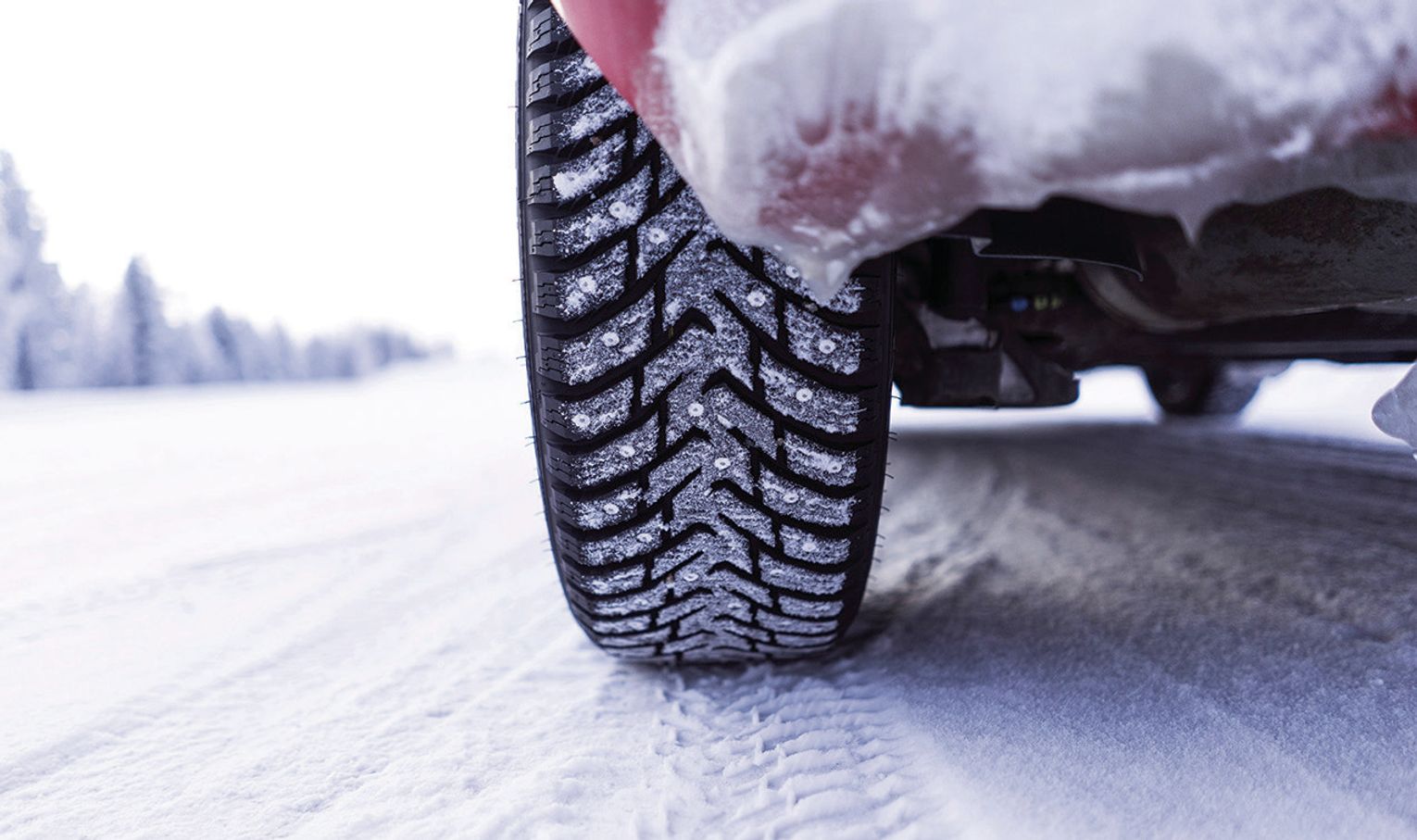
Not only should drivers be aware of road conditions, vehicles should be prepped for winter weather. Before hitting the road, check fluid levels, accessory belt(s), tires (including the spare), the battery age and condition and all three wiper blades, if so equipped, according to a longtime local mechanic.
'It's good to have a decent ice scraper and snow brush in your vehicle. Ever try to scrape your windshield with a spatula or credit card? I also advise my customers to pay attention to any 'strange' lights they see on their dashboard that aren't normally there: maintenance required lights, check engine lights, warning messages on the Driver Information Center (DIC), and so on,' he added. 'Really, when it comes down to it, I'd advise drivers to have their service provider give their vehicle a good once over before hitting the road, really any time of year, but especially during the winter months to have these things we're trained to spot issues with looked at. Tire pressure is important, as well as the tread depth. Have a full tank of gas before going on a trip in case you get stuck and have to wait several hours for help to arrive and need to keep the car running periodically to stay warm. Lastly, when you reach your destination, if practical, lift your wipers off of the windshield and leave them that way overnight in wet/icy conditions. You do not want them to freeze to your windshield and cause damage to the blades, or worse, to the wiper linkage. It may look a bit strange, but will be worth the effort.'
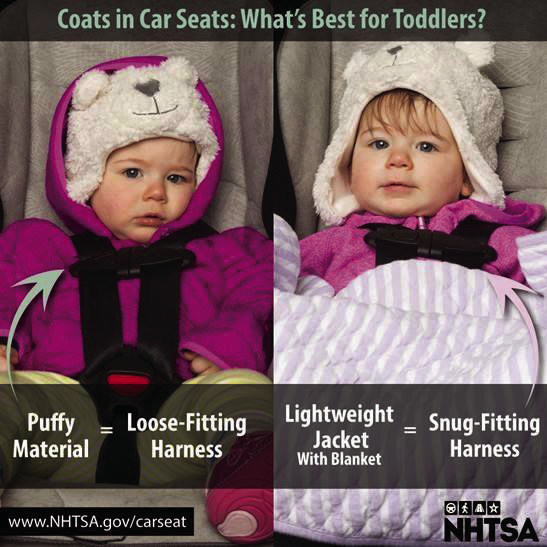
When transporting children in their winter- weather attire, heavy coats can interfere with the proper harness fit, noted the NHTSA. Choose lightweight, warm layers instead of puffy coats to ensure a snug-fitting harness. For added warmth, add blankets on, and around, your child(ren). For unexpected roadside emergencies, keep extra coats and blankets in the car as young children are unable to regulate their body temperature like adults, and bring extra food and water along just in case.
Find additional tips at nhtsa.gov/winter-driving- tips.