Book by WIU Prof Shares Struggles, Triumphs, Hopes & Dreams of Children of Immigrants
More than nearly 34,000 individuals considered Deferred Action for Childhood Arrivals (DACA) reside in Illinois, according to the Migration Policy Institute. To help these childhood arrivals to the United States achieve their dreams, a Western Illinois University political science professor created a scholarship some years ago for DREAMers (Development, Relief, and Education for Alien Minors), and has also detailed their hopes and dreams – along with their struggles and challenges – in a new book.
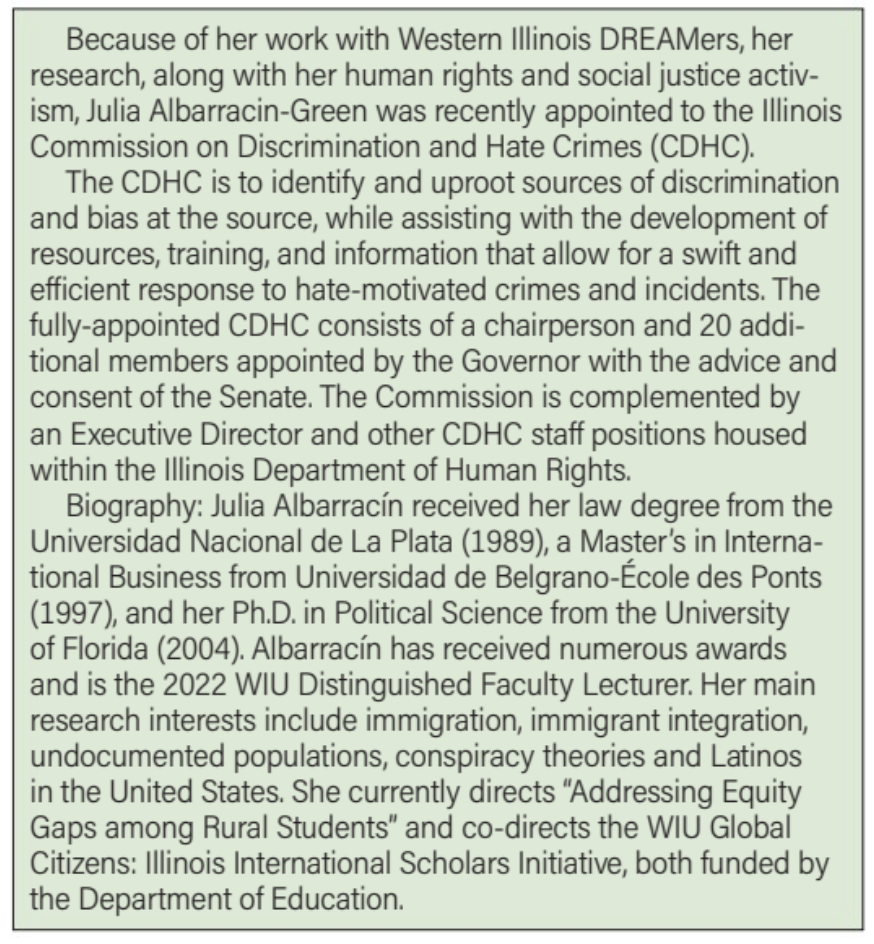
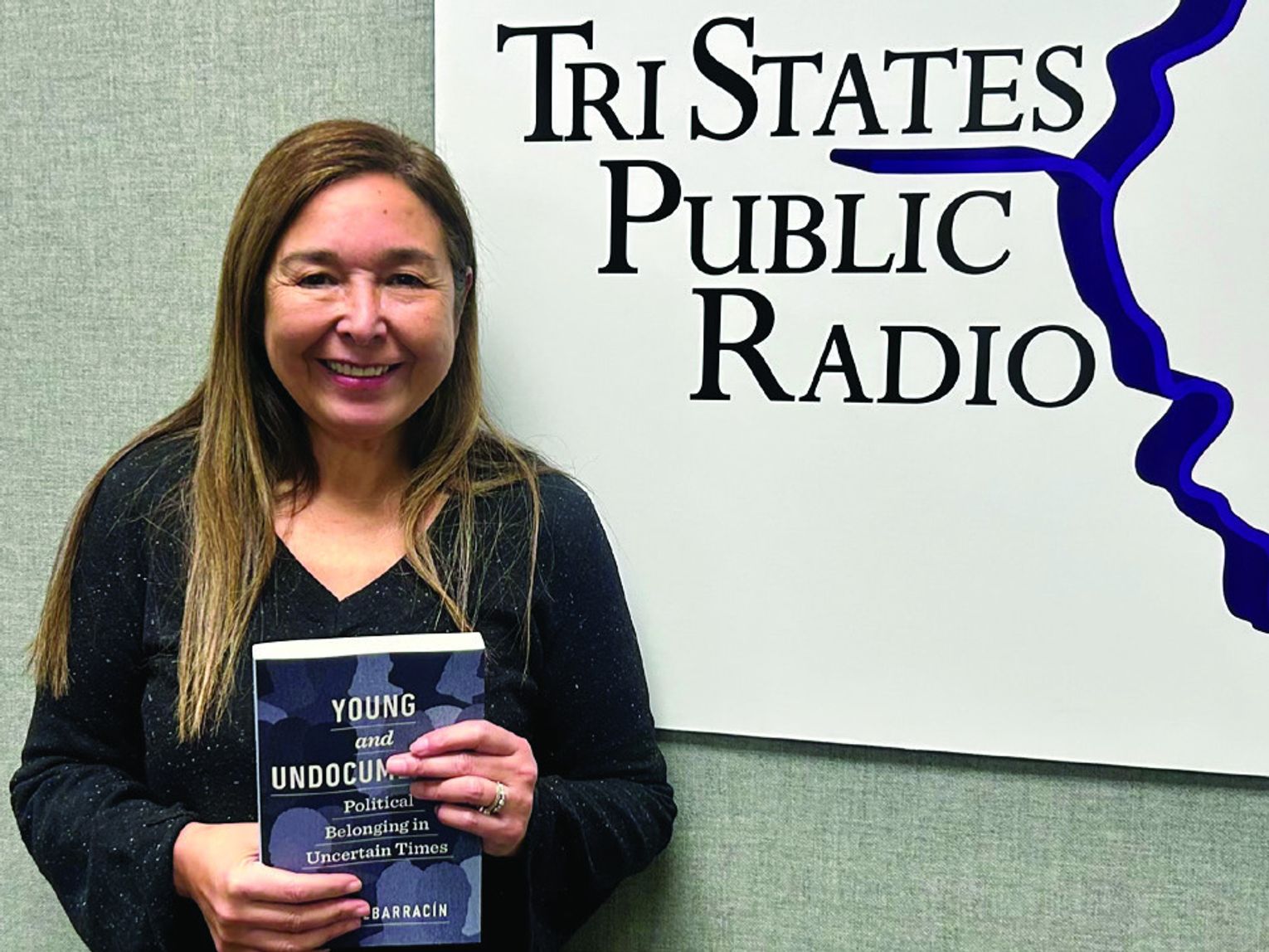
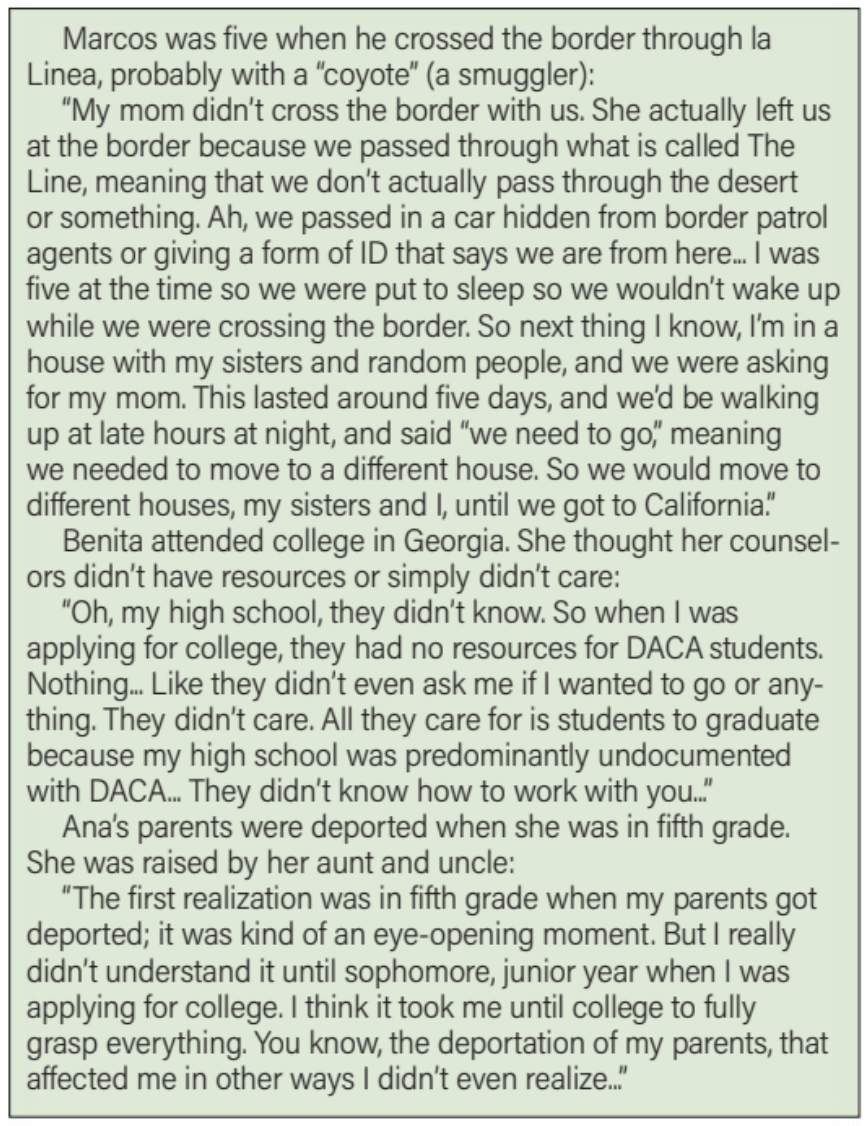
Julia Albarracin-Green, a Latina immigrant, researcher and longtime advocate for immigrant rights, recently published 'Young and Undocumented: Political Belonging in Uncertain Times,' which tells the story of how undocumented youth in the United States navigate their identity in the only country they know as home, and how they come-of-age without a path to citizenship. The book explores the experiences they encounter, especially as they grow up without any knowledge of their undocumented status and the risks it poses. The book, which is rooted in essays and interviews she has collected since 2018, focuses on the actual stories of young people and their experience navigating through a system that can be 'cruel and unsympathetic,' she shared.
'These children of undocumented immigrants confront – and fight to overcome – so many barriers,' she added. 'Many of them don't even know their undocumented status until they are teenagers and try to get a driver's license or a job.'
This is the second book that inspired her work to assist immigrants and children of undocumented citizens. Her 2016 book, 'At the Core and in the Margins,' documented the lives of Mexican immigrants in rural Illinois, including their resilience and unmet needs. At the end of the interviews for the book, Beardstown residents invited Albarracin to help connect their community to vital resources. She brought different resources over the years, including organizing an emergency fundraiser in 2017 to help DACA recipients renew their applications during the first Trump Administration. Out of these efforts, the nonprofit Western Illinois Dreamers (WID), based in Macomb, was incorporated in 2019 to empower immigrants and refugees across west-central Illinois.
With its first $30,000 grant in early 2020 and a $539,218 grant from the Illinois Department of Human Services (IDHS) in late 2020, WID was able to provide rental assistance to immigrant and refugee families during the pandemic. The organization opened Welcoming Centers in Beardstown and Monmouth in 2021, expanded to Springfield and Peoria in 2022 and in 2024 achieved U.S. Department of Justice recognition, launching its first Immigration Legal Clinic to provide culturally competent legal support. The WID Welcoming Centers provide essential support, such as legal rights, education-related information, housing and resettlement assistance, eviction prevention, health outreach, DACA support, scholarships and emergency aid, she noted. To date, WID has educated over 18,000 immigrants, teachers and counselors on immigration, labor and education rights to support the undocumented populations across Illinois, and the Welcoming Centers have served over 15,000 immigrants and refugees over three years by providing resources to ensure successful social integration.
As part of her work, she also created the WIU DREAMers Scholarship to provide annual scholarships for undocumented, DACA and Temporary Protected Status students as these students often do not qualify for traditional scholarships or aid. According to Albarracin, each year, nearly 100,000 undocumented students (aka DREAMers) graduate from U.S. high schools.
To donate toward the Western Illinois DREAMers program, donations, which cover operating expenses, scholarships and more, can be sent to the First Presbyterian Church c/o Western Illinois Dreamers, 400 E. Carroll St., Macomb, IL 61455. Formerly administered by the WIU Foundation, the DREAMers fund is now housed with Western Illinois DREAMers.
'The financial, social and legal challenges faced by college- ready, undocumented students are insurmountable,' she explained. 'Their parents, their families, sent them to, or brought them to, the United States so they could have a better life. As a public institution of higher learning, we have an obligation to help all prospective students, including those considered DREAMers.'
September 2017 during President Trump's first term, the Deferred Action for Childhood Arrivals (DACA) program was rescinded. WIU's president, along with 700 other college presidents throughout the U.S., signed a statement in support of the DACA program. The courts blocked the rescission but closed DACA applications to new recipients. However, DACA renewals, which are required every two years, are still accepted, she explained.
'One of the stories in the book is from a young person from Beardstown who was two or three when his parents brought her to the United States. She was called names, she was told she couldn't speak Spanish at school, she had no help later applying for colleges.
When schools learned of her status, scholarships that were offered were removed from her hands. This is just one in many stories I've heard over the years,' Albarracin-Green told The Community News Brief and Tri-States Public Radio in a joint interview.
'While Beardstown is a lot more prepared compared to other school districts and communities, there still needs to be more awareness and understanding in this state as these students' rights don't always get communicated, nor are they understood, by school officials around Illinois.'
But it isn't just recently that the U.S. government intensified border enforcement efforts, according to 'Young and Undocumented.' The most well-known politician contributing to the 'Latino Threat Narrative,' was President Ronald Reagan, who, in 1985, declared that undocumented migration was a threat to national security. It has reached its peak with the current administration once again who falsely declare that immigrants from Mexico are 'criminals and rapists,' Albarracin-Green wrote.
With the recent actions by the federal government, including the crackdown by Homeland Security and Immigration and Customs Enforcement (ICE), Albarracin- Green shared that her latest book is important now more than ever.
'These are the stories of youth. They are human beings and they have worked very hard to get where they are,' she said. 'They came here under no fault of their own; they were brought here often as very young children. I had a DACA student in class, and he was very angry at his mom for a very long time for putting him in this position.
'It's often a roller coaster for DACA recipients. When they turn 15 or 16 and go to apply for a job or get a license and they find out they have no documentation, it's a big blow,' Albarracin- Green added. 'Until just a few years ago, their DACA status allowed them to get a job and have access to higher education. But now, there's no more DACA for new applicants; it's on hold. I really want the readers to put themselves in the shoes of these young people and the cruelty they're subjected to.'
While the young people are categorized as DREAMers, as one of Albarracin- Green's interviewees told her, their parents are the DREAMers as they dreamt – and continue to dream – of a better life for their children. They added that their parents took all the risks to ensure their children could succeed. Due to immigration policies, however, she stressed it's almost virtually impossible to become a citizen of the United States.
'If you don't have a college degree and a solid job offer, and an employer willing to file the paperwork and pay for the fees, or if you don’t have a relative who is a citizen or a resident, the process is incredibly difficult,' Albarracin-Green pointed out. 'And for many of the jobs, such as construction, housekeeping, agriculture, that undocumented individuals – and their children – are working, you don't need a degree, but the law requires it. The system is broken.'