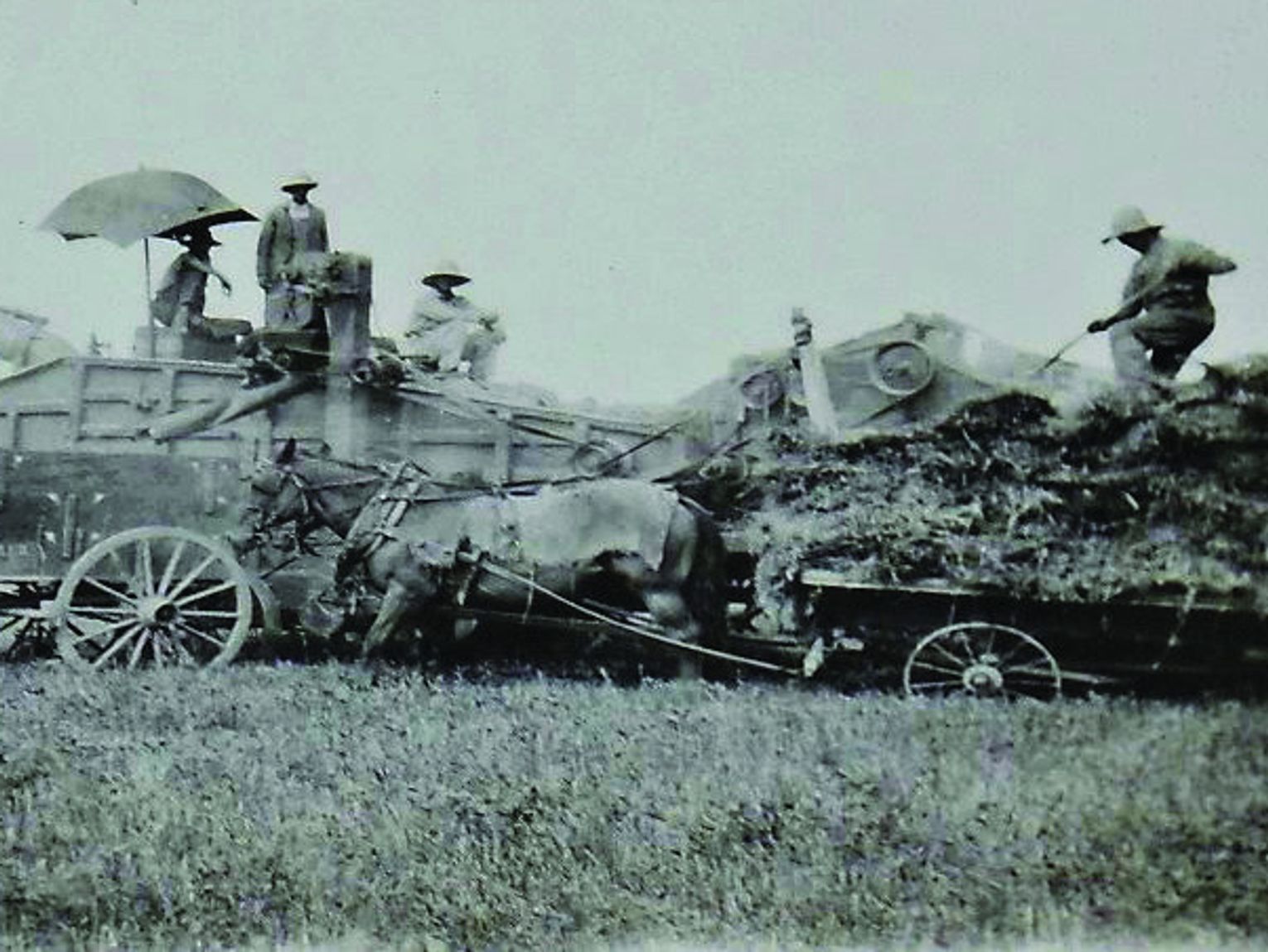
The Western Illinois Museum is pleased to announce it has received a $4,650 grant from the Illinois State Historical Records Advisory Board (ISHRAB), overseen by Illinois Secretary of State and State Archivist Alexi Giannoulias. The grant will support a multi-phase project to improve the storage, documentation, and accessibility of the Museum’s photographic collection, which captures many aspects of community life in McDonough County.
The project will address current archival limitations: more than 2,200 photographic prints, smaller than 8 x 10 inches, are stored in 51 non-archival binders. Each print has a record in the Museum's digital collection management database, but the collection has not yet been preserved in archival-quality storage or fully digitized for public access.
“This grant allows us to take the next critical step in preserving and sharing our region’s history,” said Sue Scott, Director of the Museum. “These photographs tell the story of everyday life in Macomb and surrounding communities, from schoolchildren and family events to agricultural practices and campus life at Western Illinois University. We see ourselves in them; they are relatable and essential to understanding who we are as a community.”
The project will be carried out in three phases: Archival Storage: Photographs will be moved into new archival binders, with records in the collection database updated to reflect new locations.
Enhanced Documentation: Identification information, including accurate descriptions, dimensions, studio details, and quality digital scans, will be added to each record.
Improved Searchability: Search terms, subject tags, and information about people and locations depicted will be reviewed and updated.
The project will be led by the Museum’s Collection Manager, Karen Mencel, and interns, with additional support from seven trained volunteers. This hands-on experience will provide professional development opportunities while ensuring the collection is properly preserved and accessible to the public.
The Museum’s photographic collection is distinctive for its “bottom-up” perspective, often featuring prints found in personal scrapbooks and albums, reflecting a rural community's daily life. The collection also includes cabinet cards and tintypes from 13 local studios, including Pearson Studio, which captured a portrait of Abraham Lincoln in 1858.
By enhancing storage conditions, updating records, and digitizing the collection, the Museum will make its photographs more useful for researchers, genealogists, and community members. More broadly, the project highlights the museum’s commitment to showing that everyone’s life contributes to the story of our community.