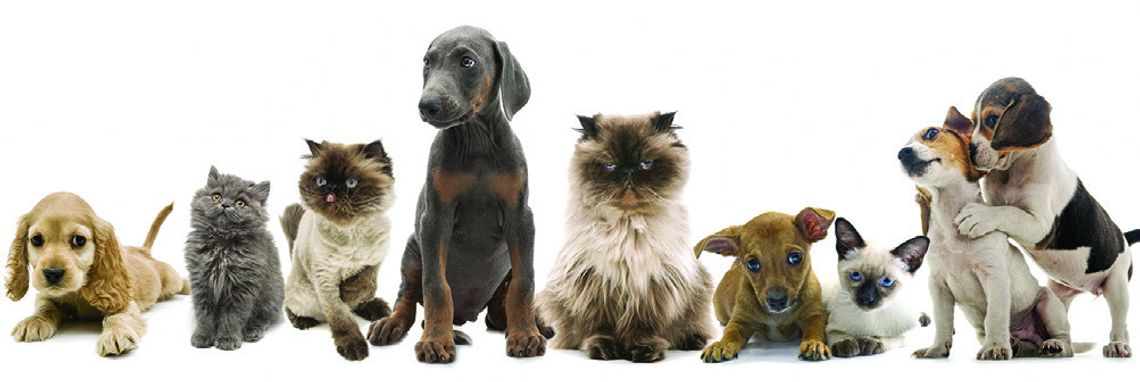
We know that smoking affects the health of not just the one smoking, but everyone exposed to the secondhand smoke. But have you thought about second-paw smoke? According to the American Lung Association, pets are susceptible to the health effects of secondhand smoke just like the rest of the family. Here are some solid reasons why you shouldn’t puff around pets.
Pets are exposed to both secondhand and thirdhand smoke. Secondhand smoke is smoke that is exhaled or comes off burning tobacco, which is then inhaled by others – including nearby nonsmokers and pets. Thirdhand smoke is the residue that remains on skin, fur, furniture, etc., even after the air has cleared. If that fur is coated with smoke residue, they ingest carcinogens and toxins when they lick their fur, on top of the ones their lungs take in.
C is for Cat and Cancer: Studies show that cats that were exposed to secondhand smoke were more than three times as likely to develop malignant lymphoma as cats who were not.
Increased respiratory disease: Just like people, pets who live with smokers are more likely to experience symptoms of respiratory disease, like asthma, bronchitis and lung cancer than pets that live in smoke-free homes.
Long nose = nasal cancer risk: Dogs with long noses have about double the risk of cancer of the nasal passages than breeds with shorter noses.